Starting An eLearning Career With No Experience
Starting a career in eLearning with no prior experience can feel daunting, especially when job listings mention skills you haven't had the chance to build quite yet. You might wonder where to begin, whether you are too late to switch paths, or how others managed to break into the industry. The truth is that many professionals enter this field from completely different backgrounds, bringing transferable skills that matter more than a perfect CV.
Career switching into this professional path is relatively common, as eLearning roles call for curiosity, adaptability, and a willingness to learn by doing. That said, it is important to have clear expectations. Progress may be gradual, and early roles might not look like your ideal job right away. However, you can land an entry-level eLearning job that's right for you if you're ready to expand your knowledge and hone your skillset.
Key Takeaways
- Entry-level eLearning jobs exist across multiple roles and industries.
- Employers often value skills and potential over direct experience.
- A small portfolio and targeted applications can make a big difference.
- Focusing on the right roles increases your chances of getting hired.
Can You Get An Entry-Level eLearning Job With No Experience?
Yes, you can get your first job in eLearning with no experience, but it hardly ever happens by chance. Breaking into the field requires intention, not luck. When employers ask for experience, they are not always expecting years in a formal eLearning role. Often, "no experience" simply means you have not held a job with the exact title yet. That said, you may already have relevant skills from teaching, training, writing, design, project coordination, or even customer support.
What matters is how you position the abilities you do have. Creating sample projects, learning basic tools, and demonstrating how you solve learning problems can help bridge the gap. Employers want to know that you understand how people learn and can communicate ideas clearly. Transferable skills, such as organizing content, explaining concepts, and managing deadlines, are essential in eLearning. When you combine those with focused effort and practical examples, you move from "having no experience" to "building your industry expertise" quicker than you might expect.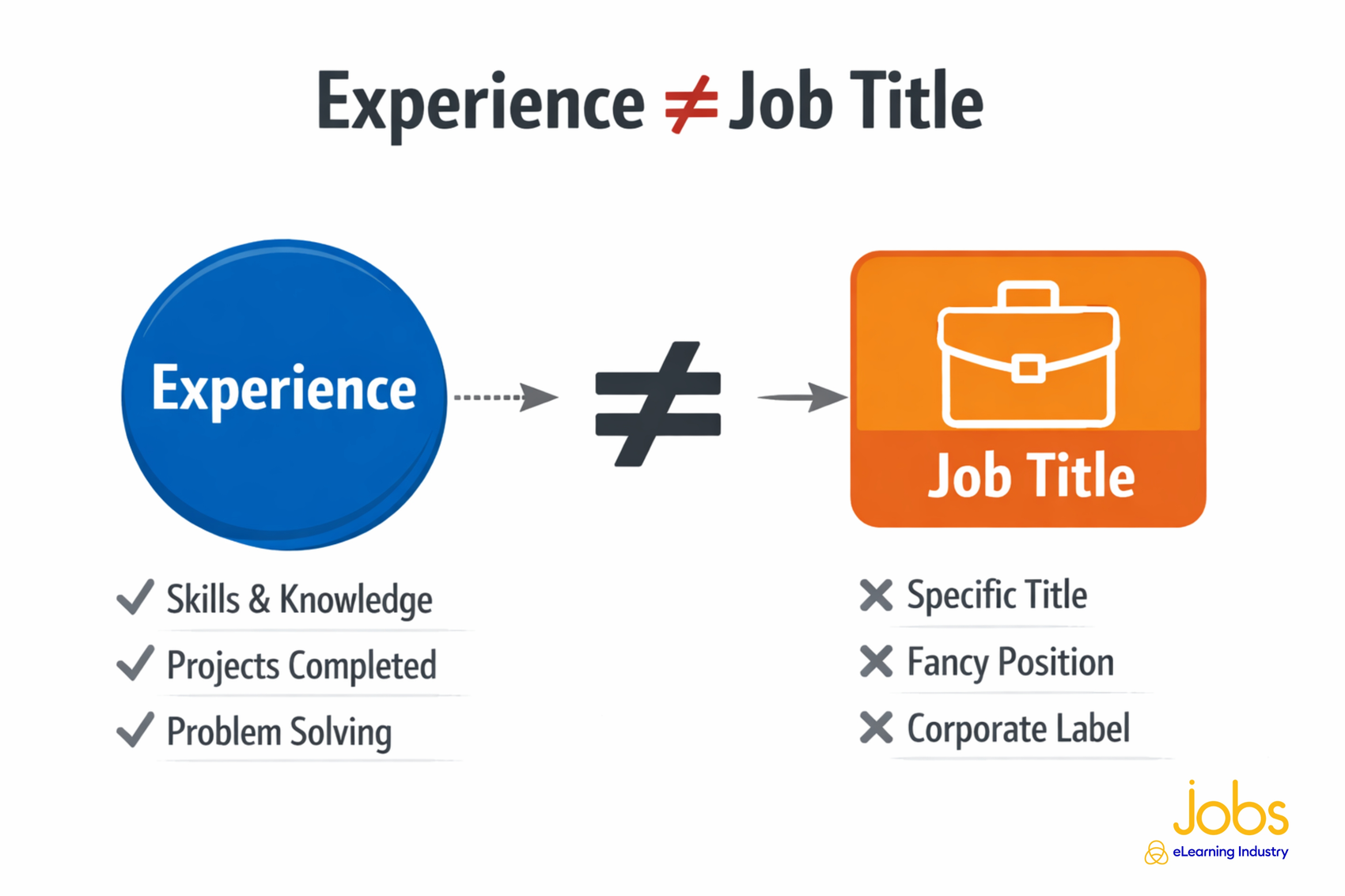
Best Entry-Level eLearning Jobs To Apply For
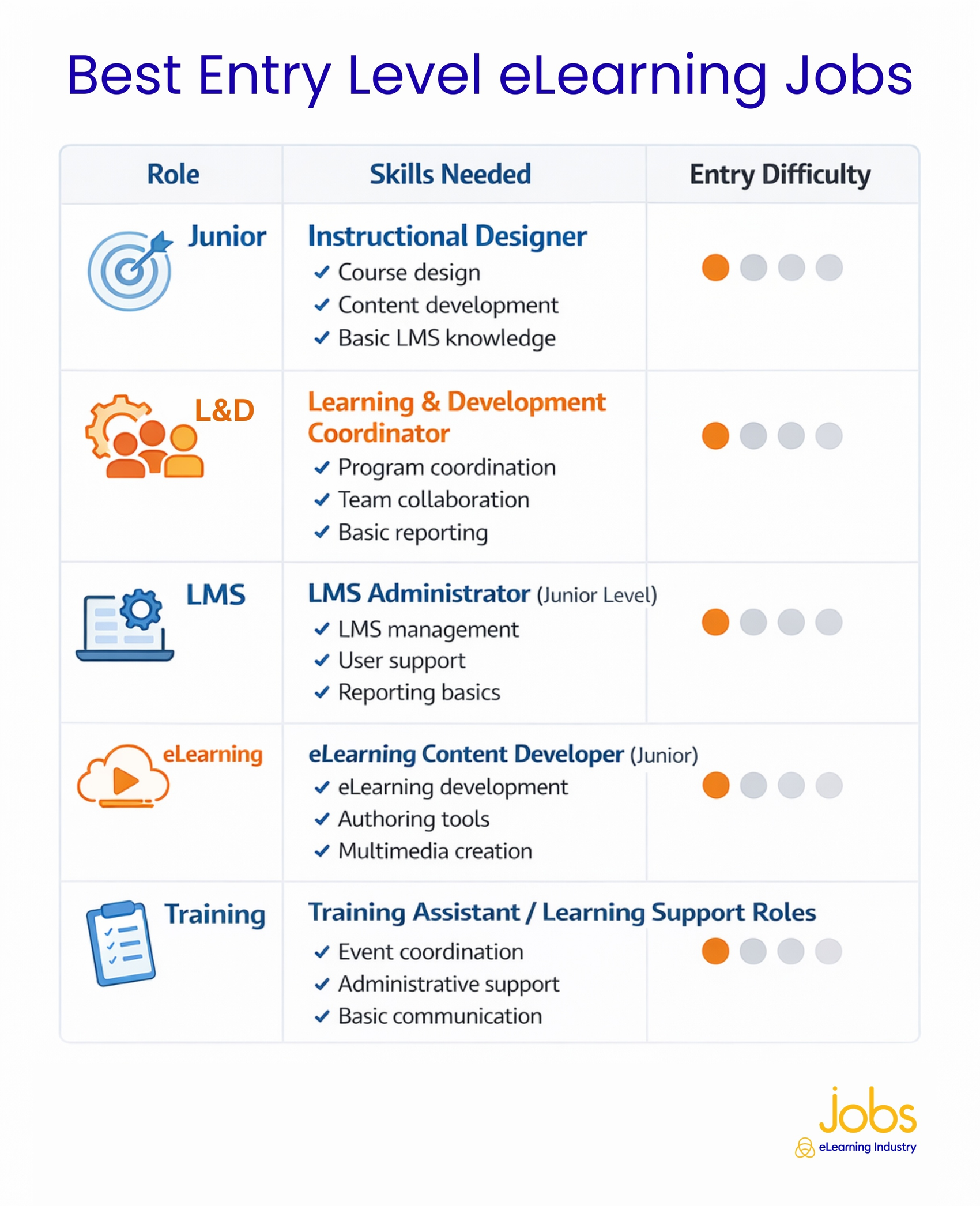
While venturing into eLearning can feel overwhelming at first, the good news is that there are several entry-level roles designed for people who are still gathering experience. These level-entry jobs with no experience don't require you to know everything on day one. Instead, they're designed to help you learn while contributing in meaningful ways. The key is understanding what each role involves and how your existing skills can translate.
Junior Instructional Designer
This is one of the most common starting points. In this role, you help design learning experiences, which involves structuring content, writing objectives, and even building simple training materials in some cases. You might assist senior Instructional Designers by organizing information, drafting scripts, or editing modules.
Junior Instructional Designer jobs are beginner-friendly because you're rarely expected to lead full projects right away. Instead, you contribute to smaller pieces while learning the overall process. Employers typically look for clear communication skills, a basic understanding of how people learn, and at least some familiarity with instructional concepts. Even informal work experience, such as teaching, tutoring, or creating guides, can be useful in this career path.
Learning & Development Coordinator
These L&D jobs for beginners focus more on the operational side of training. You help organize sessions, schedule workshops, manage attendance, and ensure that everything runs smoothly. L&D coordinators usually work closely with trainers, HR teams, and sometimes external vendors.
It's a great entry point because it builds your understanding of how learning programs function inside organizations. Responsibilities are often administrative at first, but they give you exposure to the bigger picture. Employers expect strong organization, communication, and the ability to manage multiple tasks, which are skills that many people already have and can transfer over.
LMS Administrator (Junior Level)
A junior LMS (Learning Management System) admin supports the platform where the training content is centralized. Tasks often include uploading courses, enrolling users, troubleshooting access issues, and generating basic reports.
This junior learning and development role is often overlooked, but it's one of the fastest ways to enter the eLearning field, as you're able to gain hands-on experience with the systems that are behind digital learning. Employers usually look for attention to detail, comfort with technology, and problem-solving ability. You don't need to be highly technical for these entry-level tech jobs, but you do need to be willing to learn how systems work and support users throughout the L&D journey.
eLearning Content Developer (Junior)
If you're interested in building courses, this might be the best option because it focuses on creating the actual learning materials. You might design slides, add interactions, edit videos, or work with authoring tools to turn content into engaging modules.
It's a strong fit for people who enjoy both creativity and structure. You don't need to be an expert designer, but basic visual design skills and familiarity with authoring tools are essential if you want to advance. Employers often expect a small portfolio or sample work, even if it's self-created. This role is a great way to quickly build tangible experience that you can add to your CV.
Training Assistant/Learning Support Roles
These roles support the entire learning team. Tasks can include preparing materials, coordinating sessions, responding to learner questions, and handling logistics. You may also help with tracking progress or updating resources.
They are one of the most accessible job paths because they rely on general professional skills rather than specialized expertise. Organization, communication, and reliability are key. While the work may seem administrative, it gives you a behind-the-scenes look at how learning programs are designed and delivered. Many people even use this role as a stepping stone into more specialized positions.
Which Entry-Level eLearning Job Is Right For You?
Each of these roles above offers a different path into the eLearning industry, but they all have one thing in common, which is that they value potential and transferable skills over perfect experience. Whether you prefer creative work, coordination, or technical systems, there's an entry point that fits. Choosing the best entry-level L&D jobs greatly depends on where you're coming from and the strengths you already have.
If you have a teaching or education background, a Junior Instructional Designer role might be a natural fit, since it builds on your ability to structure content and support learning outcomes. Those with corporate or administrative experience may find themselves well-suited to Learning & Development Coordinator or Training Assistant roles, where organization, communication, and stakeholder support are critical.
If your background is in writing, marketing, or content creation, an eLearning Content Developer role can be a great option, especially if you enjoy turning ideas into engaging materials. On the other hand, if you come from a technical or IT-related field, a Junior LMS Administrator position might be better, since you're already familiar with tech systems and data.
Your skill preferences also factor into the equation when trying to find high-paying jobs without a degree or experience. Creative people tend to enjoy content development, while analytical minds may prefer coordination or reporting tasks, and those who think more technically often gravitate toward platform-focused roles. The best choice for you ultimately depends on your experience and how you like to work.
Explore entry-level eLearning roles!
How To Qualify For Entry-Level eLearning Jobs
Employers hiring for entry-level positions are not expecting perfection, but they are looking for signs that you have potential. The key is to show that you understand the field, can apply basic concepts, and are actively building relevant skills. Here are a few steps that can help you land an interview.
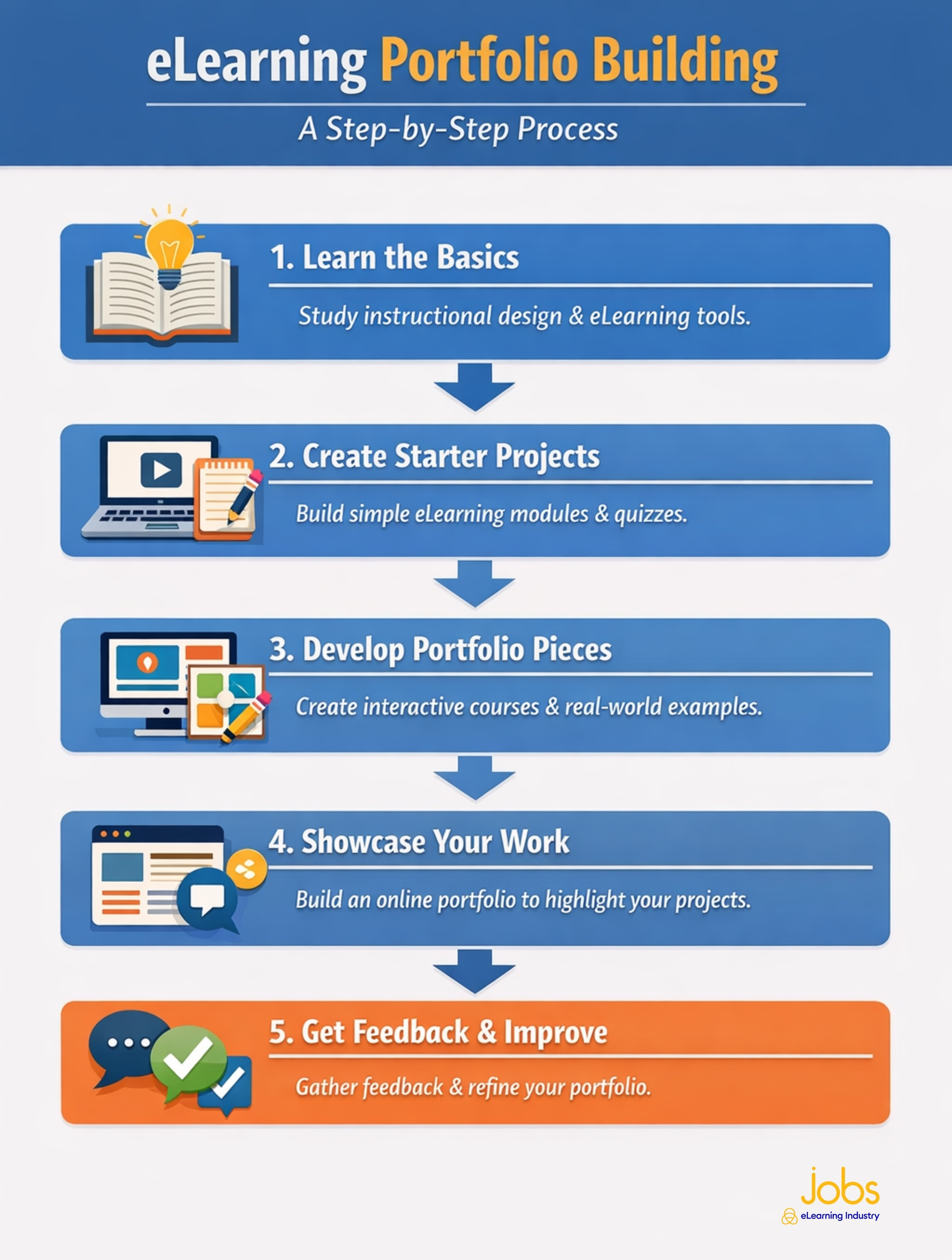
Build A Simple Portfolio
One of the most effective ways to qualify for good-paying entry-level eLearning jobs is to create a small, practical portfolio. This doesn't need to be complex or polished to perfection—it just needs to demonstrate your thinking and ability to create learning experiences.
Start with practice projects. For example, take a topic you already know well and turn it into a short learning module. Concentrate on clear objectives, structured content, and simple interactions. You can also redesign existing materials, such as turning a long document or presentation into a more engaging, learner-friendly format. This shows that you understand how to improve existing learning content, not just present information.
Even one or two short learning module examples can help employers see how you approach content, design, and user experience. The goal is not quantity, but quality. In other words, impactful training experiences instead of knowledge dumps. A small portfolio that demonstrates your process and decision-making is more helpful than a large collection of unfinished ideas.
Learn The Right eLearning Tools
You don't need to master every tool, but having basic familiarity with common platforms will make you more competitive. Start with the fundamentals of Learning Management Systems (LMS). Understanding how courses are uploaded, how learning initiatives are tracked, and how reports are generated gives you a strong foundation, especially if you're thinking about roles that involve coordination or administration.
On the content creation side of things, explore commonly used Instructional Design tools. These might include authoring software, presentation tools, or simple graphic design platforms. The goal is not to become an expert in one day, but to show that you can learn and apply these tools in eLearning projects.
Even basic proficiency goes a long way for hiring managers. If you can demonstrate that you've built a small module, edited content, or organized learning materials within a system, your CV will stand out. Employers are looking for adaptability, so showing them that you can pick up new tools quickly is often more important than technical expertise.
Highlight Transferable Skills
One of the biggest misconceptions about entering eLearning is that you're starting from zero. In reality, many people already have relevant experience, but they need to know how to reframe it for the industry.
If you come from a teaching background, you already understand how to structure information, explain concepts, and support learners. These are core Instructional Design skills. The shift is moving from live teaching to designing experiences that work independently.
If your background is in marketing or content creation, you likely have strong messaging, audience awareness, and storytelling skills built up. These translate directly into creating engaging learning materials. Understanding how to capture your audience's attention and communicate clearly is essential in eLearning.
For those with HR or corporate experience, training and development responsibilities often overlap with eLearning. Knowing how to coordinate programs, onboard employees, or manage internal communications all give you a head start for learning-focused roles.
The key to landing your first entry-level role is to connect your past experience to what employers are looking for. Instead of listing tasks, explain how your work supported learning, communication, or performance improvement.
Tailor Your CV For Entry-Level Roles
A generic CV is one of the biggest obstacles when applying for entry-level corporate eLearning jobs. Since you may not have direct L&D experience, how you present your skills becomes even more important. This is why it's best to go with a skills-first format. Start by highlighting relevant abilities, such as content creation, communication, organization, or technical tools, before listing your work history. This helps employers immediately see your potential, instead of getting distracted by job titles that may not seem directly related.
Include outcomes, not just responsibilities. For instance, instead of saying you "created training materials," explain what impact they had. Did they improve knowledge retention? Were you able to reduce training seat time? Even small examples can demonstrate your capabilities.
It's also important to tailor your CV for each role. If you're applying for entry-level Instructional Designer jobs, point out your content structuring and learning-related skills. For an LMS role, highlight your technical abilities and attention to detail. Even minor adjustments can help you seem more relevant for the role.
Finally, keep things clear and concise. Hiring managers for entry-level remote jobs for beginners often scan quickly, so your eLearning CV should make it easy to identify your strengths. A well-structured resume that is custom-tailored for the position shows that you are actually interested in the job and respect the recruiter's time.
Common Mistakes Beginners Make When Applying For Entry-Level eLearning Jobs
One of the most common faux pas people make when applying for beginner eLearning jobs is focusing primarily on mid-level roles. These positions often require proven experience, so it's more beneficial to target roles that are designed for entry-level candidates to increase your chances of an interview.
Another thing to avoid is overloading on certifications. While courses can be helpful, collecting too many without applying the knowledge doesn't add much value. Employers care more about what you can do than how many certificates you have.
Ignoring portfolios is another mistake to steer clear of. Showing your work is often more valuable than just describing it. Even a few simple samples can make a difference when recruiters are reviewing your application. However, using a generic CV is probably the most critical error you can make, as hiring managers often skip over resumes that mention irrelevant work history, skills, or experience.
How Long It Takes To Get Your First eLearning Job
Getting your first eLearning job typically takes a few months, but the timeline can vary depending on where you're starting from and how you approach the application process. For most beginners, a realistic timeframe is 3 to 6 months. This also includes a two-pronged approach of learning while you submit applications.
In the learning phase, you build foundational knowledge, explore tools, and create a small portfolio. The applying phase involves refining your CV, submitting applications, and improving based on feedback or results. You might even adjust your application strategy as you pick up new skills and build your experience. For example, only applying for eLearning no experience jobs in a specific sector, or rethinking your niche.
Several factors affect how quickly you land a job. The amount of time you can dedicate to the process, how you highlight your transferable skills, and whether you have a portfolio all play a part.
Where To Find Entry-Level eLearning Jobs
Finding work-from-home entry-level eLearning jobs is easier when you search with a clear plan of action. Start by using role-based filtering on job platforms. Instead of searching broadly for "eLearning," look for specific titles like Junior Instructional Designer, Learning Coordinator, or LMS Administrator. This helps you avoid irrelevant listings and find positions that actually suit your talents. Also, keep in mind what types of jobs you're after. For instance, you might narrow your search to part-time entry-level jobs or work from home no experience jobs to filter out positions that don't suit your needs.
It's also important to think about remote versus local opportunities. Many eLearning roles are remote-friendly, which broadens your options. However, local roles, especially within organizations in your area, can sometimes be less competitive and easier to access.
Setting up job alerts is another simple step that can speed up the process and ensure that you don't miss out on golden job opportunities. Specialized platforms, like Jobs by eLearning Industry, let you save searches and receive notifications when new roles are posted. This helps you apply early, which can make a big difference for entry-level remote jobs with high competition.
Create an account and set job alerts today to find the right entry-level role for you.