?
{{job.title}}
{{job.company_name}}
Private Employer
Learning Experience Designer Jobs
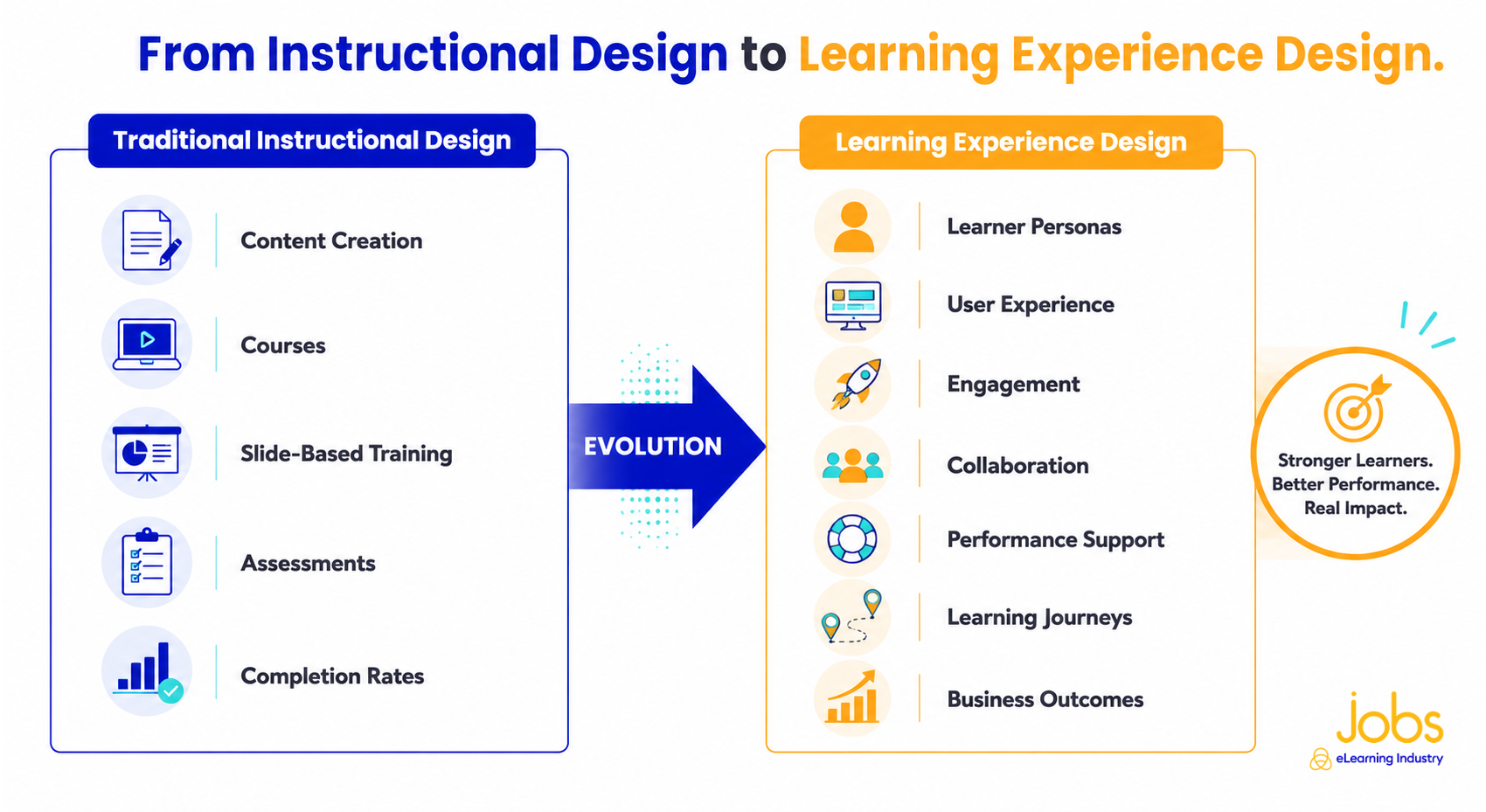
A Learning Experience Designer (LXD) designs training that helps people learn better, build skills, and perform well. Unlike traditional Instructional Design jobs, Learning Experience Designer jobs focus on the whole learning journey and bring together learning science, user experience (UX), technology, and support tools.
More companies are investing in employee training, customer education, and digital learning, driving demand for Learning Experience Designer jobs across corporate training, higher education, EdTech, healthcare, and technology. If you want to start a new career, find remote Learning Experience Designer jobs, or learn about salaries, this guide has the information you need.
What Is A Learning Experience Designer?
A Learning Experience Designer is a professional who designs learning solutions that are interactive, engaging, and learner-focused. Their goal is to create meaningful learning experiences that help people achieve specific outcomes. Learning Experience Designer jobs go beyond creating courses. They involve understanding learner needs, identifying business goals, and designing experiences that support learning before, during, and after training.
Key Responsibilities
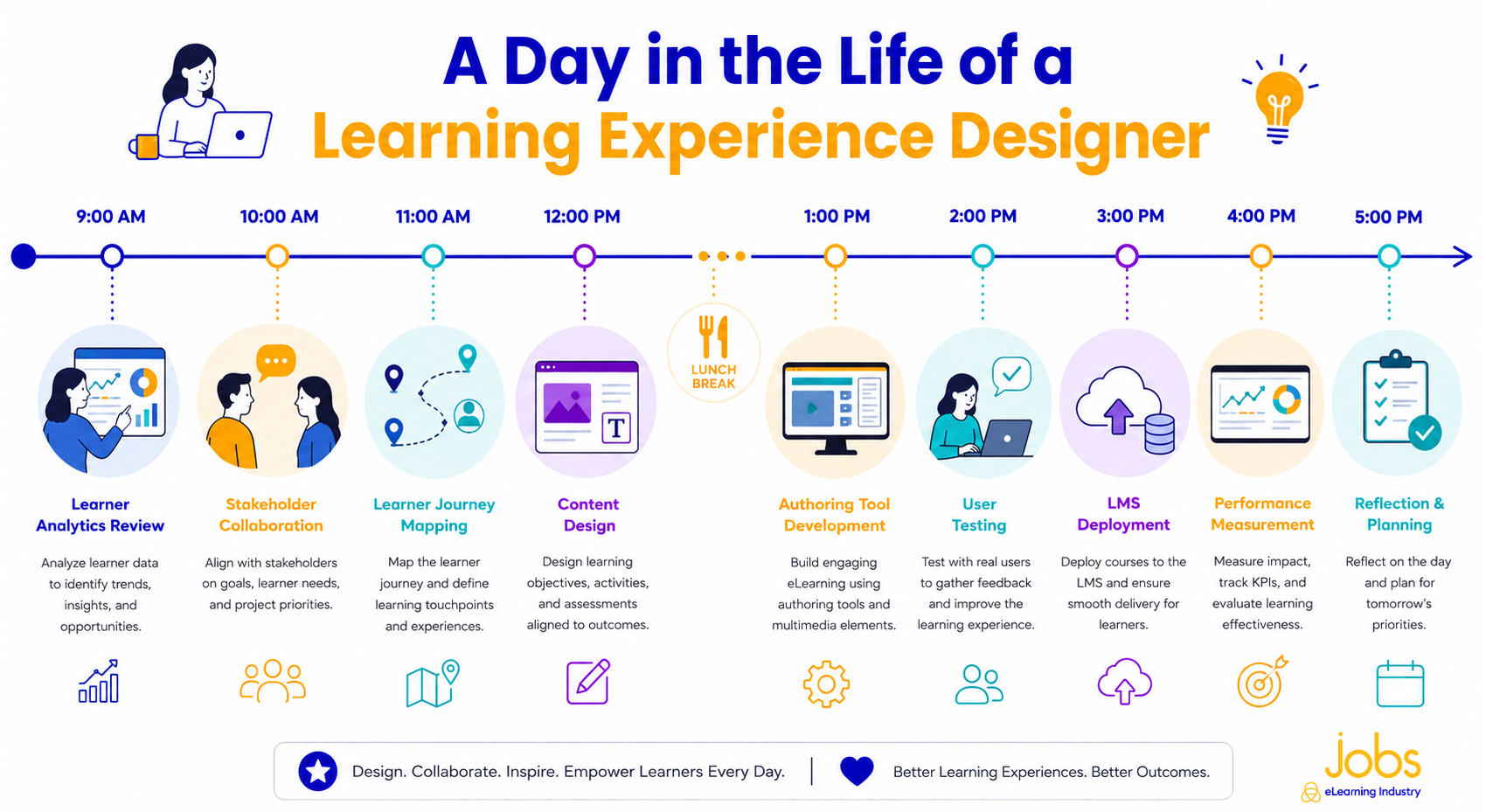
A Learning Experience Designer typically:
- Conducts learner and stakeholder research.
- Analyzes training and performance needs.
- Designs learning journeys and pathways.
- Creates learning activities and assessments.
- Collaborates with SMEs and stakeholders.
- Uses learning technologies and LMS platforms.
- Measures learning effectiveness and engagement.
- Improves learner experience through feedback and analytics.
Many organizations use the titles Learning Experience Designer, LX Designer, Learning Designer, or Learning Experience Specialist interchangeably.
Never Miss a Learning Experience Designer Opportunity
Looking for your next Learning Experience Designer role? Set up job alerts to receive the latest Learning Experience Designer jobs, remote opportunities, and learning design positions directly in your inbox. Stay ahead of new openings and be among the first to apply for roles that match your skills, experience, and career goals.
Learning Experience Designer Career Overview
Learning Experience Designer jobs are becoming more important in today’s Learning and Development teams. As organizations focus more on learner-centered training, these professionals design learning experiences that are engaging, effective, and measurable. Their work blends Instructional Design, UX, learning technology, and performance consulting, which makes this role appealing to people from education, training, HR, or design backgrounds.
As digital learning and remote work continue to grow, jobs for Learning Experience Designers can be found in many fields, including corporate training, EdTech, healthcare, technology, and higher education. This career also offers good opportunities for advancement, with many LX Designers moving into senior strategy, consulting, or leadership positions.
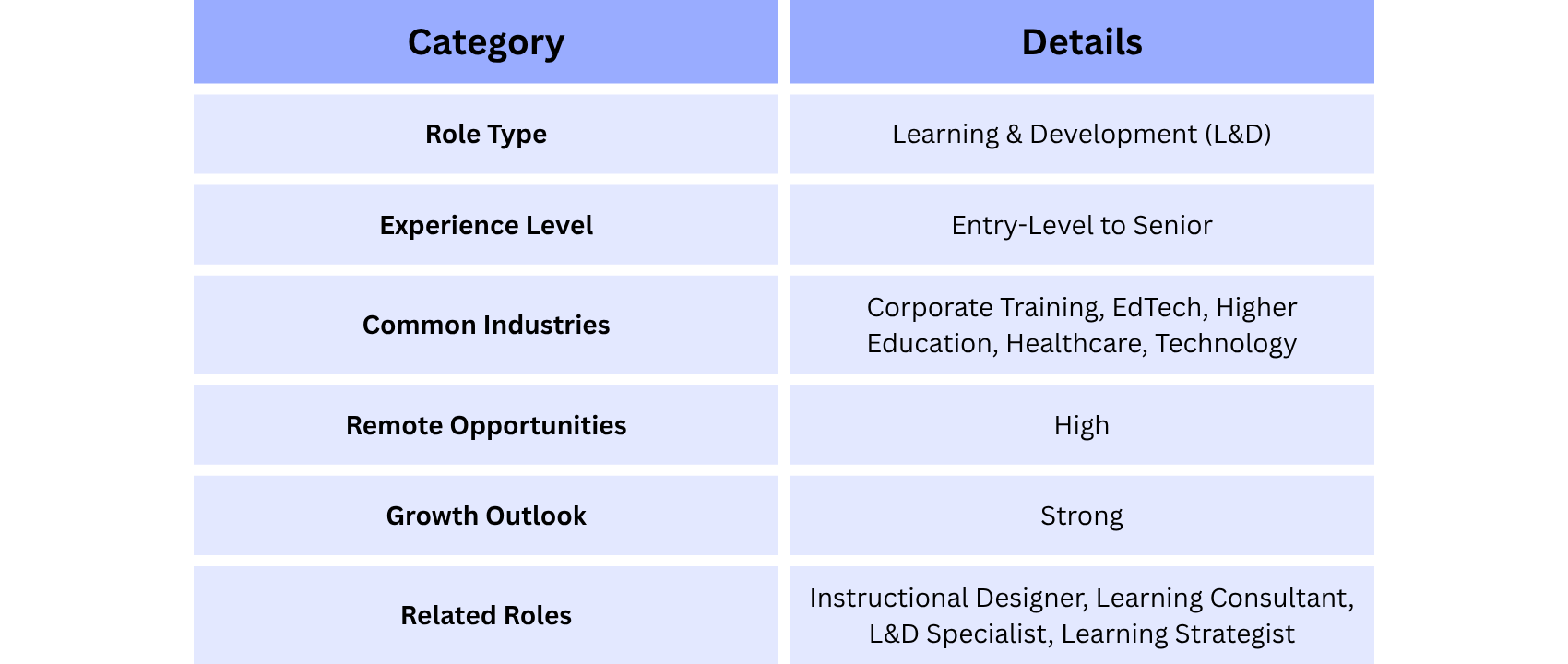
Professionals often move into Learning Experience design from Instructional Design, teaching, training, UX design, HR, or organizational development backgrounds.
What Does A Learning Experience Designer Do?
The primary objective of an LXD professional is to design learning experiences that align with learner needs and business goals.
The Learning Experience Design Process
Most learning experience design projects follow these stages:
- Research learner needs.
- Define learning outcomes.
- Create learner personas.
- Design learning journeys.
- Develop content and activities.
- Implement through learning platforms.
- Measure engagement and results.
- Continuously optimize experiences.
This learner-centered approach helps organizations improve engagement, completion rates, and performance outcomes.
Strengthen Your Application Before You Apply
A strong resume and cover letter can help you stand out in a competitive job market. Explore our career advice articles for expert tips on writing an impactful Learning Experience Designer resume and crafting a compelling cover letter:
- How Long Should A Resume Be? One Page, Two Pages, Or More?
- Cover Letter Sample: Templates & Examples For Every Job
- How To Write An eLearning CV That Gets Interviews
Learning Experience Design Examples
Examples of Learning Experience Design include:
- Employee onboarding programs
- Leadership development journeys
- Customer education academies
- Product training programs
- Compliance learning pathways
- Sales enablement initiatives
- Microlearning campaigns
- Blended learning experiences
These examples demonstrate how Learner Experience Design focuses on creating engaging interactions rather than simply delivering information.
Must-Have Skills For Learning Experience Designer Jobs
Successful Learning Experience Designers combine Instructional Design expertise with learner experience and digital design skills.
Core Skills
- Learning Experience Design
- Instructional Design
- Adult learning theory
- Learning technologies
- LMS administration
- Storyboarding
- Content development
- Assessment design
- Data analysis
- Project management
Technical Skills
- Articulate Storyline
- Adobe Captivate
- Learning Management Systems (LMS)
- Figma
- Miro
- AI-powered learning tools
- Video and multimedia development
Soft Skills
- Communication
- Collaboration
- Empathy
- Critical thinking
- Problem-solving
- Creativity
Upload Your CV and Get Discovered
Ready to take the next step in your career? Upload your CV to make it easier for employers and recruiters to find you for Learning Experience Designer jobs and other L&D opportunities. Keep your profile up to date and increase your visibility to organizations looking for talented learning professionals.
Learning Experience Designer Salary
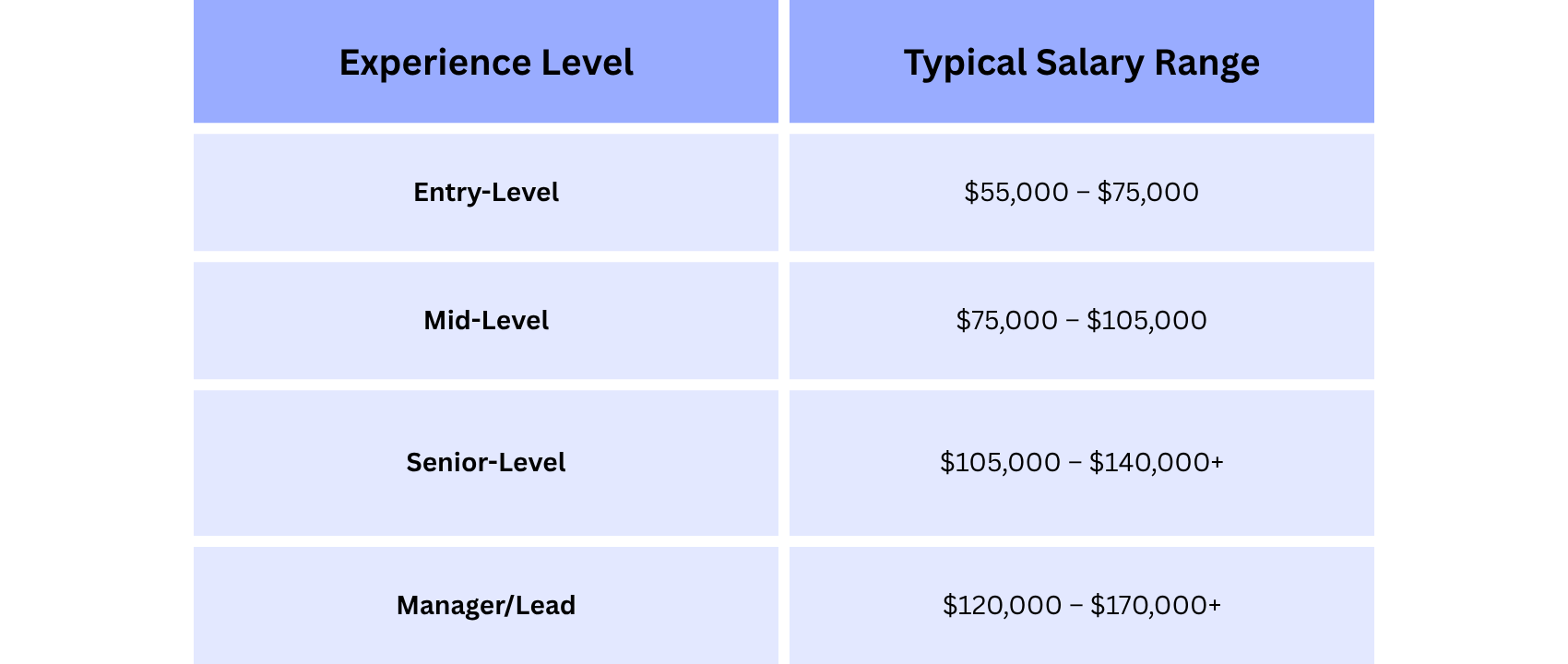
Learning Experience Designer salaries are generally competitive due to the growing demand for professionals who can create engaging, learner-centered training experiences. Compensation varies based on factors such as experience level, industry, location, technical skills, and whether the job is remote or in-person.
If you have skills in Instructional Design, User Experience (UX), learning technologies, and data analytics, you may earn more. Jobs in technology, healthcare, financial services, and enterprise learning often pay the most. As businesses continue to invest in employee training, customer education, and digital learning, Learning Experience Designers can look forward to strong earning potential and steady career growth.
Learning Experience Designer salary varies based on experience, location, industry, and specialization.
Freelance And Consulting Rates
Some organizations hire LX designers on a contract basis.
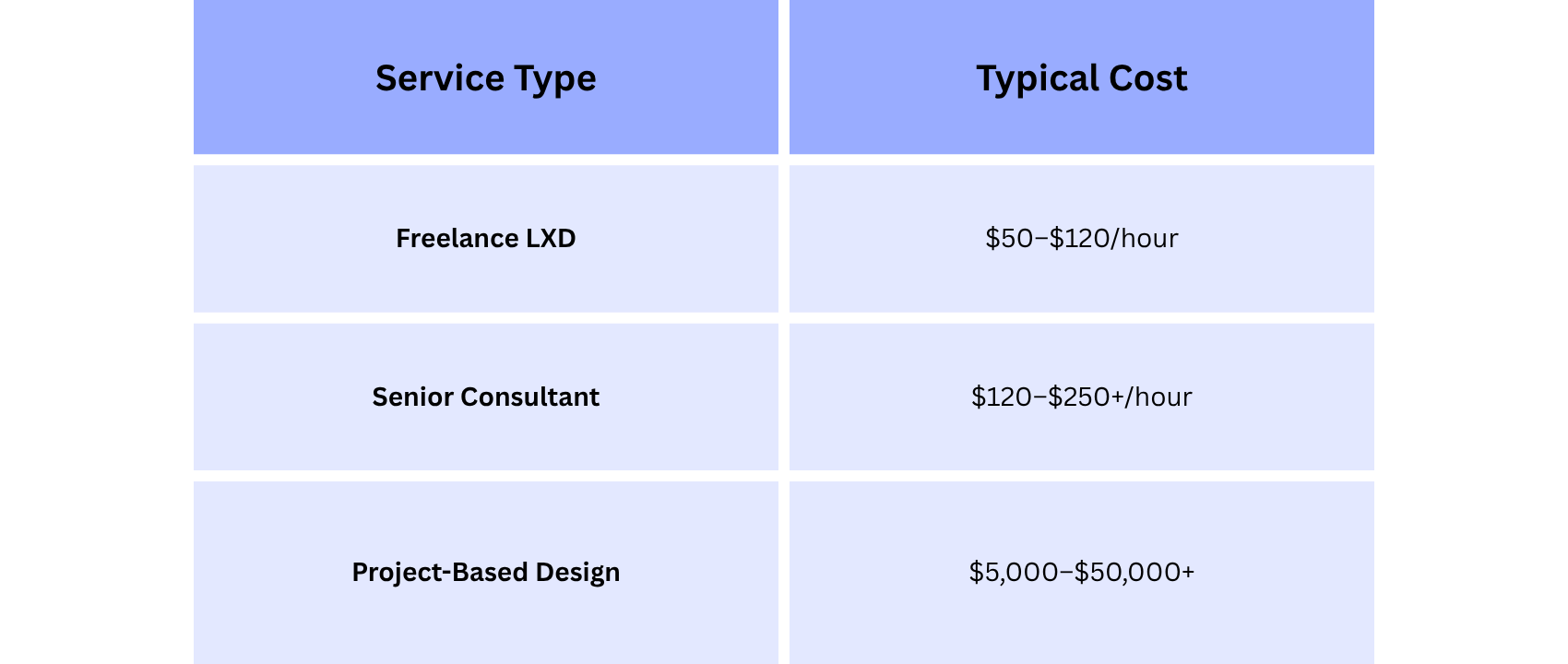
Overall, the Learning Experience Designer cost depends on project complexity, duration, and scope.
Remote Learning Experience Designer Jobs
Demand for learning experience designer jobs continues to increase as organizations modernize training programs and adopt digital learning strategies.
Popular employment sectors include:
- Corporate Learning and Development
- EdTech companies
- Universities and colleges
- Healthcare organizations
- Technology firms
- Government agencies
- Consulting companies
Remote learning experience designer jobs are particularly common because much of the work involves digital collaboration, content design, and virtual project management.
Candidates searching for remote learning experience designer jobs or learning experience designer remote jobs can find opportunities across global organizations.
How To Become A Learning Experience Designer
Follow these steps to start a career in Learning Experience Design:
- Learn Instructional Design fundamentals.
- Study learner experience and UX principles.
- Build a portfolio of projects.
- Gain experience with learning technologies and eLearning tools.
- Earn relevant certifications.
- Network with L&D professionals.
- Apply for Learning Experience Design jobs.
Many professionals begin in training, teaching, HR, or Instructional Design before specializing in LXD (Learning Experience Design).
Prepare for Interviews and Build a Portfolio That Gets Noticed
Landing a Learning Experience Designer role requires more than technical skills; you also need to demonstrate your thinking, process, and impact. Read these articles to learn how to answer common interview questions, showcase your best work, build a compelling portfolio, and stand out to hiring managers in the competitive L&D job market.
- Top Learning Experience Designer Interview Questions And Portfolio Tips To Get Hired
- How to Get a Job in eLearning: A Step-by-Step Career Guide
FAQs About Learning Experience Designer Jobs
1. What is Learning Experience Design?
Learning experience design is the practice of creating learner-centered educational experiences that combine instructional design, user experience principles, technology, and performance support.
2. What is a Learning Experience Designer?
A Learning Experience Designer is a professional who designs engaging learning solutions that improve learner outcomes, engagement, and performance.
3. What does a Learning Experience Designer do?
They research learner needs, design learning journeys, develop learning content, collaborate with stakeholders, and evaluate learning effectiveness.
4. Is Learning Experience Design different from Instructional Design?
Yes. Instructional design often focuses on content structure and delivery, while Learning Experience Design emphasizes the overall learner experience and engagement.
5. Are there remote Learning Experience Designer jobs?
Yes. Many organizations offer fully remote and hybrid Learning Experience Designer positions because much of the work can be completed digitally.
6. How much does a Learning Experience Designer earn?
Learning Experience Designer salary typically ranges from $55,000 to over $140,000 annually, depending on experience, industry, and location.
7. How do I become a Learning Experience Designer?
To become a Learning Experience Designer, develop skills in Instructional Design, adult learning theory, Learner Experience Design, and learning technologies while building a portfolio of learning projects. Gaining experience with eLearning tools, earning relevant certifications, and applying for entry-level L&D or Instructional Design roles can help you transition into the field.
Jobs {{total_jobs_count}}
{{pagination_label}}
No jobs were found.
Loading...
{{notification.msg}}