
Cover Letter Template: Tips And Tricks For Better Results
Using a cover letter template makes it easier to write a focused, professional application. While some employers may not read cover letters, many still look at them to judge your motivation, communication skills, and understanding of the job.
Therefore, you should always submit a cover letter when the employer asks for one. It can also help your application when you are switching careers, applying for a competitive job, explaining a gap in your work history, or highlighting experience that is not obvious from your resume.
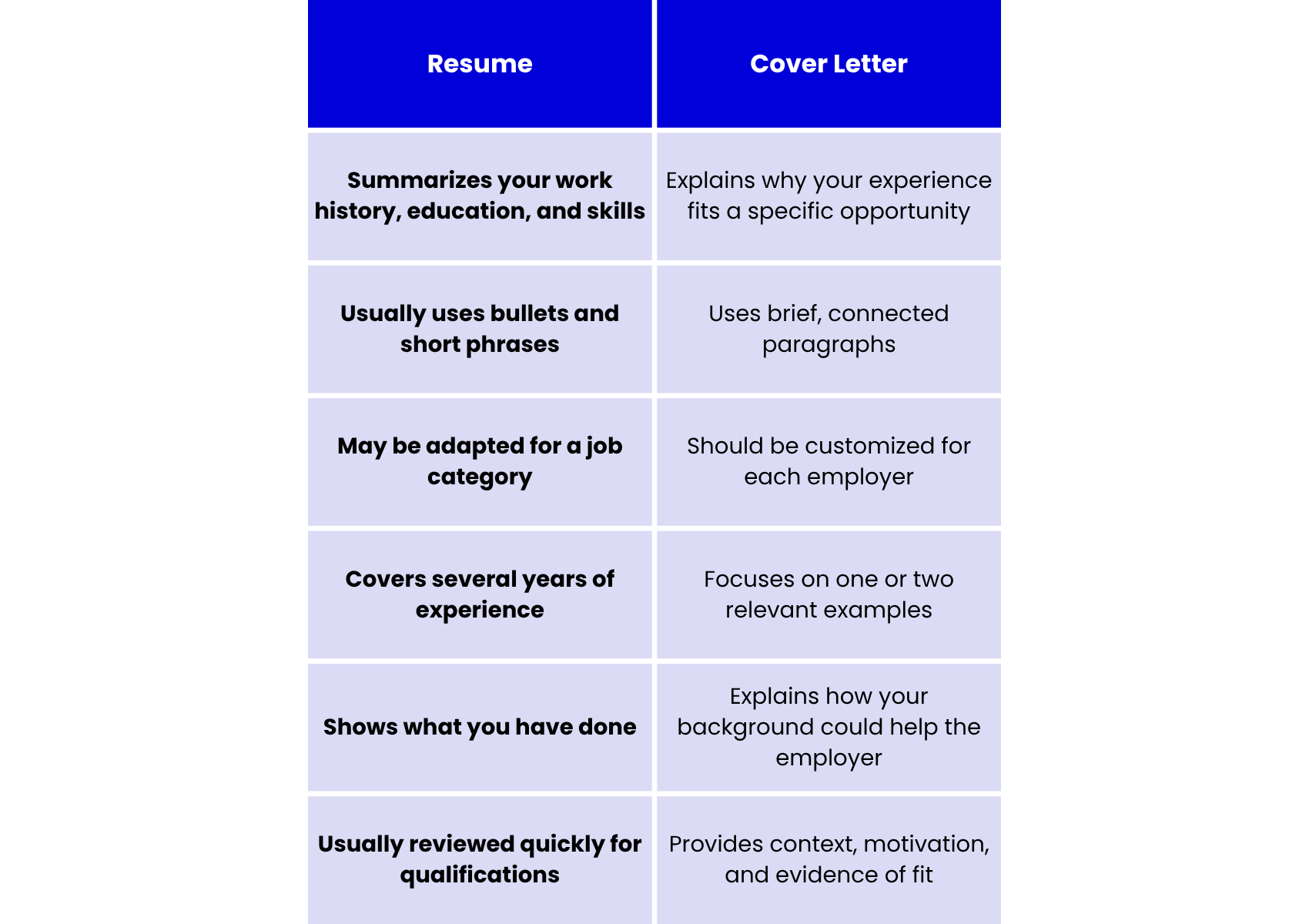
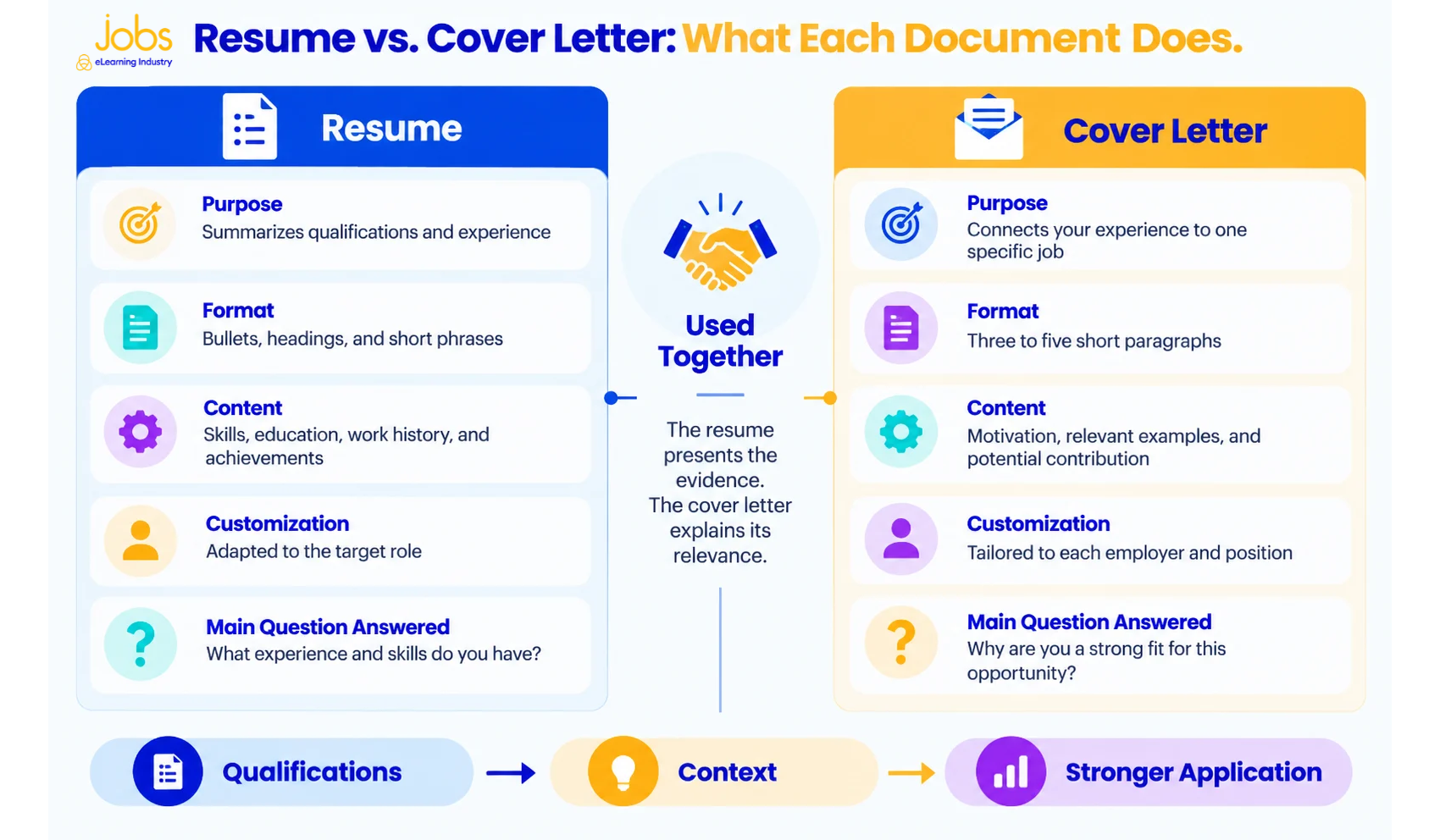
Sure, your resume is the most important part of your application process, as it lists your qualifications, but your cover letter links them to the job you want. It lets you explain your interest, point out a few key achievements, and show how you can help the organization.
Key Takeaways
A cover letter template is most helpful when you use it as a starting point, not as your final application.
- Customize your cover letter for each job you apply to.
- Start with a strong introduction and highlight your most relevant achievements to grab attention.
- Make the template your own instead of copying it exactly.
- Show how your experience matches what the employer is looking for, instead of just repeating your resume.
- Send a professional cover letter along with a clear, focused resume.
Are you ready to put your cover letter into action?
Browse current job openings and adjust your application to fit the roles that match your skills.
What Is A Cover Letter?
A cover letter template gives you a basic outline for a one-page letter. It helps you introduce yourself to an employer and explain why you are a good fit for the job.
However, a cover letter is not meant to list your entire work history. Instead, it should help the hiring manager see three main things:
1. Why are you interested in the role?
2. Which parts of your background are most relevant?
3. What value could you bring to the organization?
Employers usually ask for a cover letter if it is required in the job posting. Some also appreciate optional cover letters, especially for jobs that involve communication, leadership, consulting, design, or working with clients.
Moreover, a cover letter is helpful if your background needs some explanation. For example, if you are changing careers, you can show how your past experience fits the new job. If you are just starting out, you can talk about projects, classes, internships, or volunteer work that might not stand out on a regular resume.
What To Include In A Cover Letter
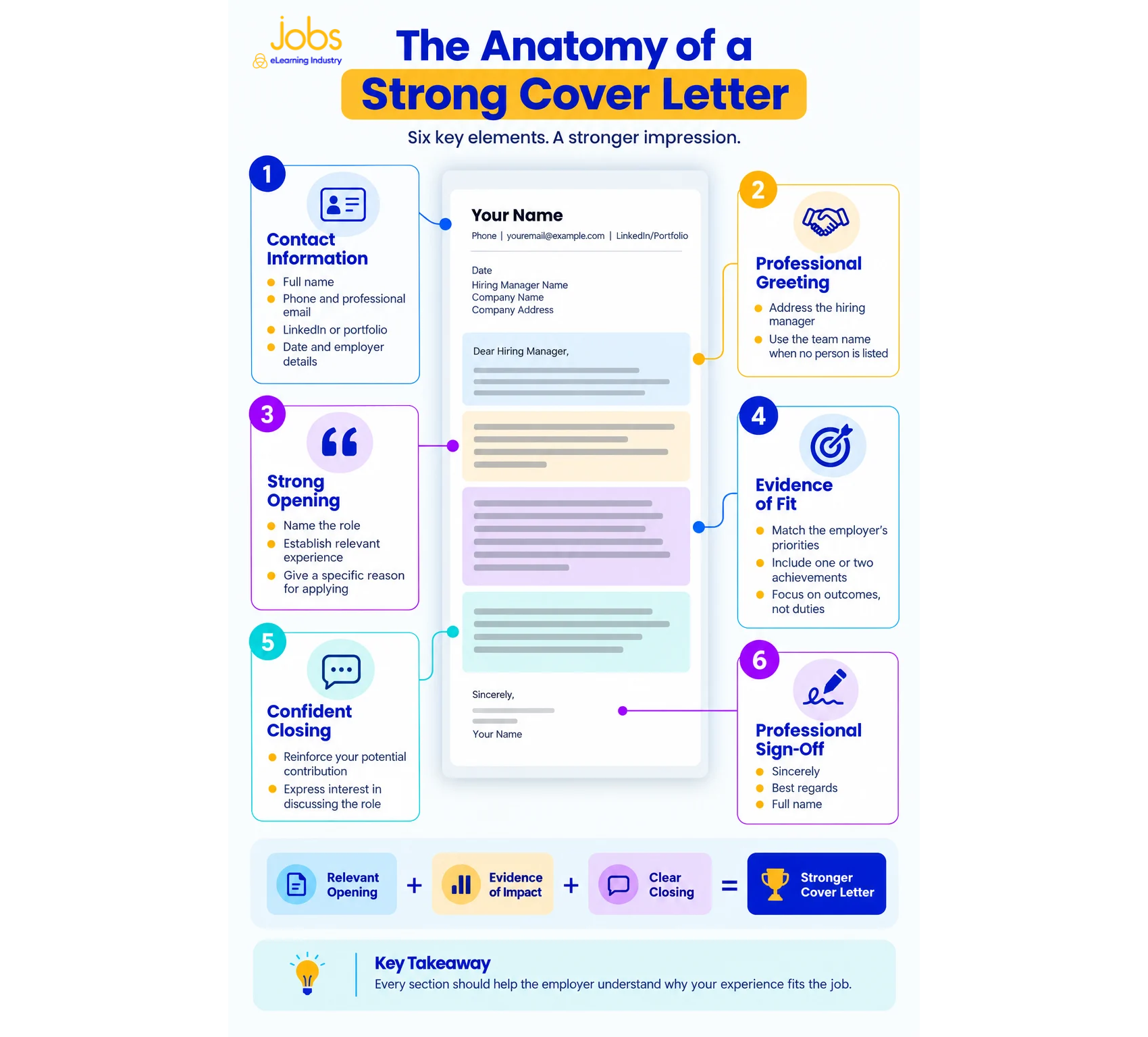
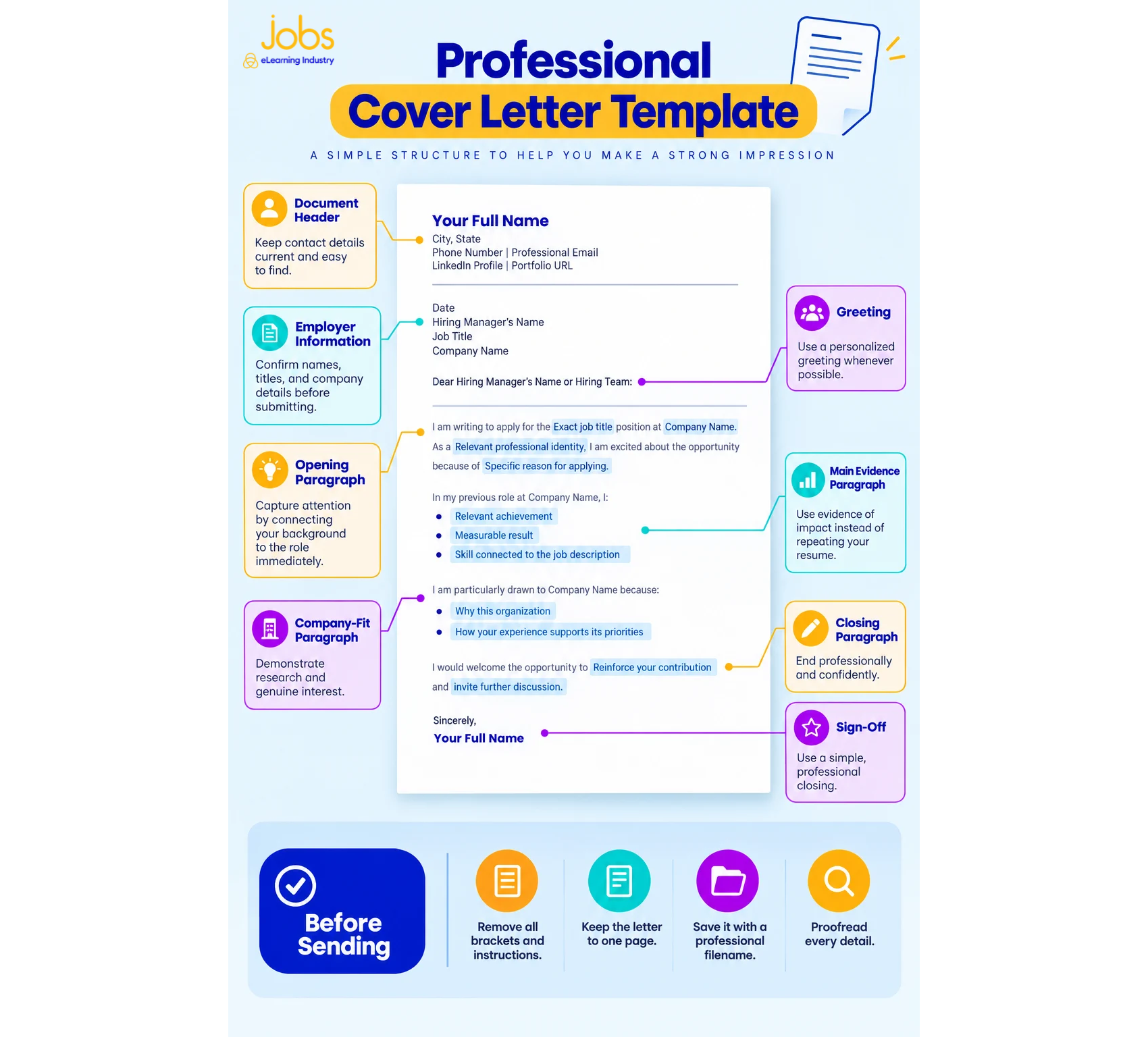
A good cover letter template uses a clear structure so the reader can easily find your contact details, motivation, qualifications, and next steps. Most professional cover letters have 6 main parts. Each serves a different purpose, so keep them separate instead of putting everything in one long paragraph.
Contact Information
Start your cover letter with accurate contact information so the employer can easily identify and reach you.
Include:
- Your full name
- City and state
- Phone number
- Professional email address
- LinkedIn profile, when relevant
- Portfolio or professional website, when relevant
- Date
- Hiring manager's name, title, company, and address, when available
You only need to include your full home address if the application asks for it.
If you work in Instructional Design, Learning Experience Design, eLearning development, or another portfolio-based field, make sure to add a direct link to your portfolio near your contact details.
Professional Greeting
Use a professional greeting and address it to a specific person whenever you can.
Check the job posting, company website, or LinkedIn to find the hiring manager's name. Good greeting examples include:
- Dear Ms. Lopez:
- Dear Jordan Lee:
- Dear Learning Design Hiring Team:
Don't use outdated or general greetings like "To Whom It May Concern." If you can't find a name, address your letter to the relevant team or role.
Strong Opening Paragraph
A cover letter template should open by identifying the position and giving the employer a clear reason to keep reading.
In your first paragraph, include:
- The role you are applying for
- Your current professional identity or relevant background
- One qualification, achievement, or area of expertise connected to the role
- A specific reason for your interest
Don't start with "I am writing to apply for…" and leave it at that. The employer already knows you're applying, so share something meaningful right away.
For example:
"As an Instructional Designer with five years of experience developing digital learning for distributed teams, I was interested in the Senior Instructional Designer position because of its focus on scalable onboarding and performance support."
Why You're The Right Candidate
Most of your cover letter template should showcase that you can meet the employer's needs. Pick one or two examples from your experience that match the job description. Focus on what you achieved, not just your daily tasks.
Instead of writing:
"I was responsible for creating online courses."
Write:
"I redesigned a six-module onboarding program that improved completion rates and gave new hires earlier access to role-specific practice."
Useful evidence can include:
- Revenue or cost impact
- Learner engagement
- Completion or adoption rates
- Reduced development time
- Improved performance
- Team leadership
- Stakeholder management
- Successful system implementation
- Positive learner or client feedback
If you don't have exact numbers, clearly explain what you did and the results, but don't make up any data.
Closing Paragraph
End your cover letter by showing your interest in the job and inviting the employer to talk further.
A good closing paragraph can quickly remind the employer of:
- Why the opportunity fits your goals
- What you would bring to the role
- Your interest in discussing the position further
Try not to sound too demanding or too passive. A clear, professional ending works better than saying things like "I hope you will consider me."
For example:
"I would welcome the opportunity to discuss how my experience in learning strategy, stakeholder collaboration, and digital program design could support your team's priorities."
Professional Sign-Off
Finish your cover letter with a simple, professional sign-off and your full name.
Suitable options include:
- Sincerely
- Best regards
- Kind regards
- Respectfully
Don't use informal closings like "Cheers" unless you know the person and the company is clearly informal.
Free Cover Letter Template
A good cover letter template gives you a solid structure while still letting you show how you fit the company and the job, and share your own experience.
You can use the free cover letter template below for your job application. Be sure to fill in every section marked with brackets before you send it.
---
[Your Full Name]
[City, State]
[Phone Number]
[Professional Email Address]
[LinkedIn Profile or Portfolio URL]
[Date]
[Hiring Manager's Name]
[Hiring Manager's Title]
[Company Name]
[Company Address]
Dear [Hiring Manager's Name or Hiring Team]:
I was interested in the [Exact Job Title] position at [Company Name] because [specific reason connected to the company, team, mission, product, or role]. As a [current role, professional identity, or relevant area of experience] with experience in [two or three relevant strengths], I am prepared to contribute to [priority or outcome mentioned in the job description].
In my role at [Current or Previous Organization], I [describe a relevant action, project, or responsibility]. This resulted in [specific result, measurable outcome, or meaningful impact]. The experience strengthened my ability to [skill or capability that relates directly to the target position].
I would also bring experience in [second relevant qualification]. For example, I [brief supporting example]. This background would help me support [company goal, team priority, or business need].
I am drawn to [Company Name] because [specific, credible reason]. I would welcome the opportunity to discuss how my experience in [two or three relevant strengths] could contribute to your team.
Sincerely,
[Your Full Name]
---
Avoid leaving general statements like "I admire your company" without explaining why. Being specific helps turn a simple cover letter into a strong application.
Cover Letter Examples For Different Situations
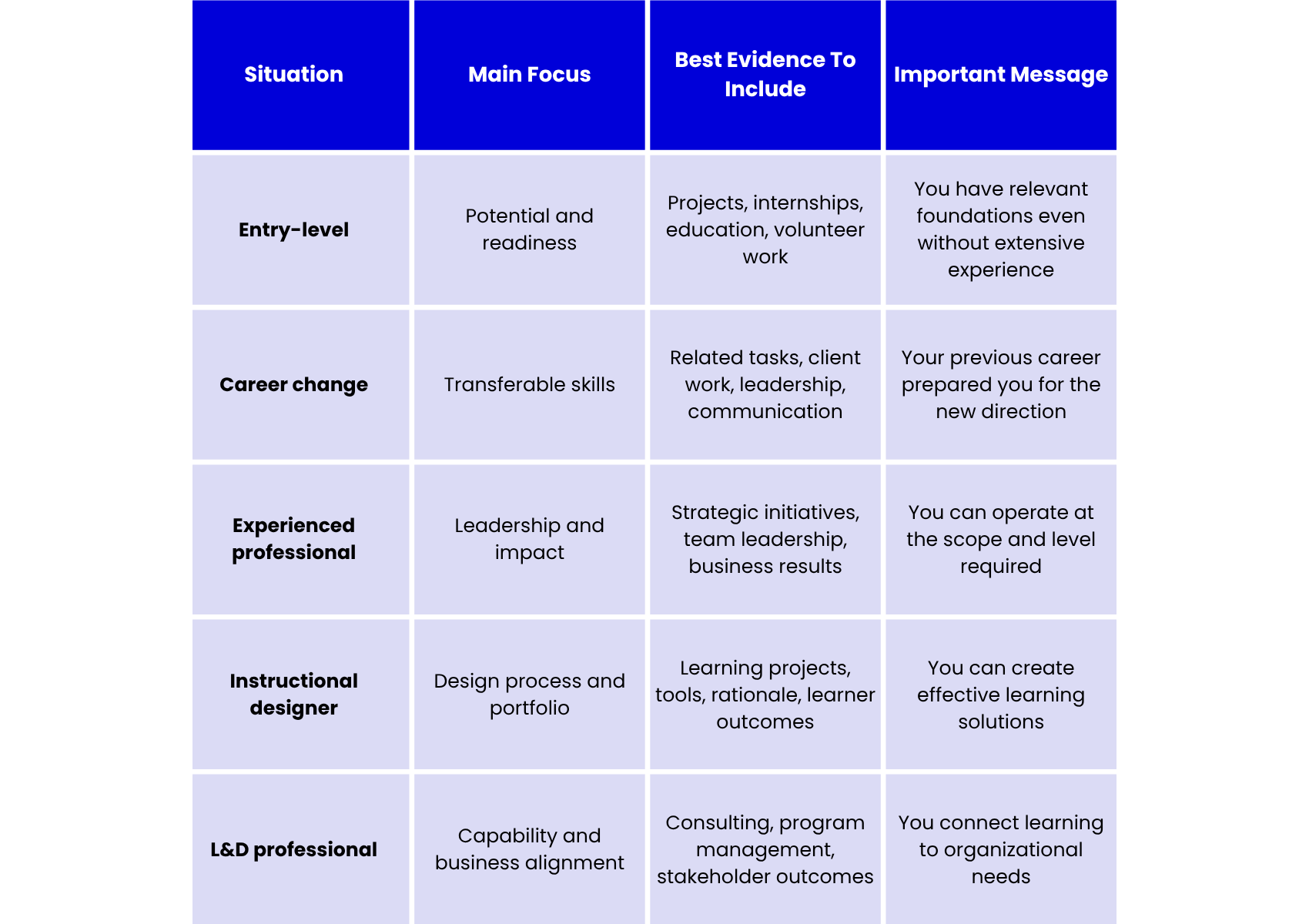
You should adjust your cover letter template based on your career stage, relevant experience, and the kind of value the employer is looking for in the role. Here are some cover letter examples that show how you can adapt a basic structure for different situations.
Entry-Level Cover Letter
An entry-level cover letter template should emphasize relevant projects, education, internships, and volunteer work, and demonstrate that you can learn quickly.
Dear Hiring Manager:
I am excited about the [Job Title] position at [Company Name] because it brings together program organization, learner support, and digital content administration. As a recent graduate who has coordinated university workshops and supported a nonprofit training program, I have developed strong communication and project management skills that will enable me to contribute to your team.
In my final year, I organized a peer-learning program for over 100 students. I managed schedules, worked with facilitators, kept attendance records, and collected feedback from participants. I also created digital resources to help students prepare for each session.
I bring strong organizational skills, attention to detail, and a real interest in workplace learning. I would be glad to discuss how my experience could benefit your L&D team.
Sincerely,
[Your Name]
Career Change Cover Letter
A career change cover letter should clearly explain your transition and link your past accomplishments to the new role.
Dear [Hiring Manager Name]:
I am interested in the [Job Title] position because it combines two key areas from my experience: client communication and practical learning. After six years in customer success, I want to move into customer education to help users build confidence and use products more effectively.
In my current role, I regularly lead onboarding sessions, create support resources, and translate technical information into clear guidance. I recently developed a webinar series for new clients that reduced recurring setup questions and gave the support team a reusable onboarding resource.
My background has prepared me to understand learner needs, work across departments, and connect education with customer outcomes. I would welcome the opportunity to bring that experience to your education team.
Best regards,
[Your Name]
Experienced Professional Cover Letter
A professional cover letter template for an experienced candidate should focus on leadership, strategic impact, and achievements that fit the organization's goals.
Dear [Hiring Manager Name]:
The [Job Title] position at [Company Name] immediately caught my attention because of its focus on manager capability and organization-wide performance. Over the past nine years, I have led learning programs across onboarding, leadership development, and operational training.
In my current position, I oversee a cross-functional portfolio serving employees across five business units. I introduced a more consistent intake and evaluation process, enabling the team to prioritize high-impact requests and provide leaders with clearer evidence of program results.
I also manage external partners, coach instructional designers, and work with senior stakeholders to connect learning investments to business priorities. I would welcome the opportunity to discuss how this combination of strategic planning and delivery leadership could support [Company Name].
Sincerely,
[Your Name]
Instructional Designer Cover Letter
A cover letter for an Instructional Designer should connect design decisions to learner needs, business goals, technology, collaboration, and portfolio evidence.
Dear Learning Design Hiring Team:
I was excited to see the Instructional Designer opening at [Company Name] because of its emphasis on scenario-based learning and performance support. I have four years of experience designing digital learning for customer-facing and operational teams.
At my current company, I partnered with subject matter experts to replace a text-heavy compliance course with shorter modules, realistic decisions, and manager-led practice. The new design improved completion and gave employees clearer opportunities to apply the required behaviors.
My experience includes needs analysis, storyboarding, eLearning development, accessibility reviews, and evaluation. I have included a link to my portfolio, which features project context, design rationale, and sample deliverables.
I would welcome the opportunity to discuss how my learner-centered and performance-focused approach could contribute to your team.
Best regards,
[Your Name]
Learning And Development Professional Cover Letter
A cover letter template for a Learning and Development professional should show how learning initiatives supported performance, capability, or organizational priorities.
Dear [Hiring Manager Name]:
I was interested in the L&D Business Partner position because it requires both consulting skills and practical program leadership. In my current role, I work with department leaders to diagnose capability gaps, prioritize learning needs, and develop solutions that extend beyond course delivery.
I recently supported the rollout of a manager development program for newly promoted leaders. I coordinated stakeholder input, facilitator preparation, digital resources, and follow-up activities that helped managers apply the program on the job.
My background includes needs analysis, leadership development, facilitation, vendor management, and learning evaluation. I would welcome the opportunity to discuss how I could help your organization connect employee development with measurable performance priorities.
Sincerely,
[Your Name]
How To Customize A Cover Letter For Every Job
A cover letter template works best when you tailor it to fit the employer's needs, language, and expectations.
Follow these four steps to get started.
1. Start by researching the organization. Look at its website, products, audience, mission, and recent priorities. Find one genuine reason why this opportunity interests you.
2. Read the job description carefully. Pay attention to skills, responsibilities, tools, and outcomes that are mentioned more than once. These show what the employer cares about most.
3. Choose one or two examples from your experience that show you have the skills they want. Focus on what's most relevant, not just on titles or big achievements.
4. Update your template by changing the opening, examples, wording, and closing. Avoid just swapping out the company name in a generic letter.
Include keywords from the job posting if they truly match your experience. For instance, if the posting highlights "stakeholder management," use that phrase when you talk about real stakeholder work you've done.
Using keywords can make your application clearer and help it match what employers are looking for. But don't copy big parts of the job description or claim skills you don't have.
Get Ready For The Next Steps
After you find a job that fits, update your resume and cover letter to match the position. Next, get ready for the next steps by using the following guides:
- 10 Job-Hunting Tips And Strategies From Jobs by eLearning Industry
- How To Transition Into An eLearning Career (From Any Background)
- Top Job Interview Questions And How To Answer Them (2026 Guide)
Common Cover Letter Mistakes
A cover letter template can introduce avoidable mistakes when applicants reuse it without carefully reviewing its content.
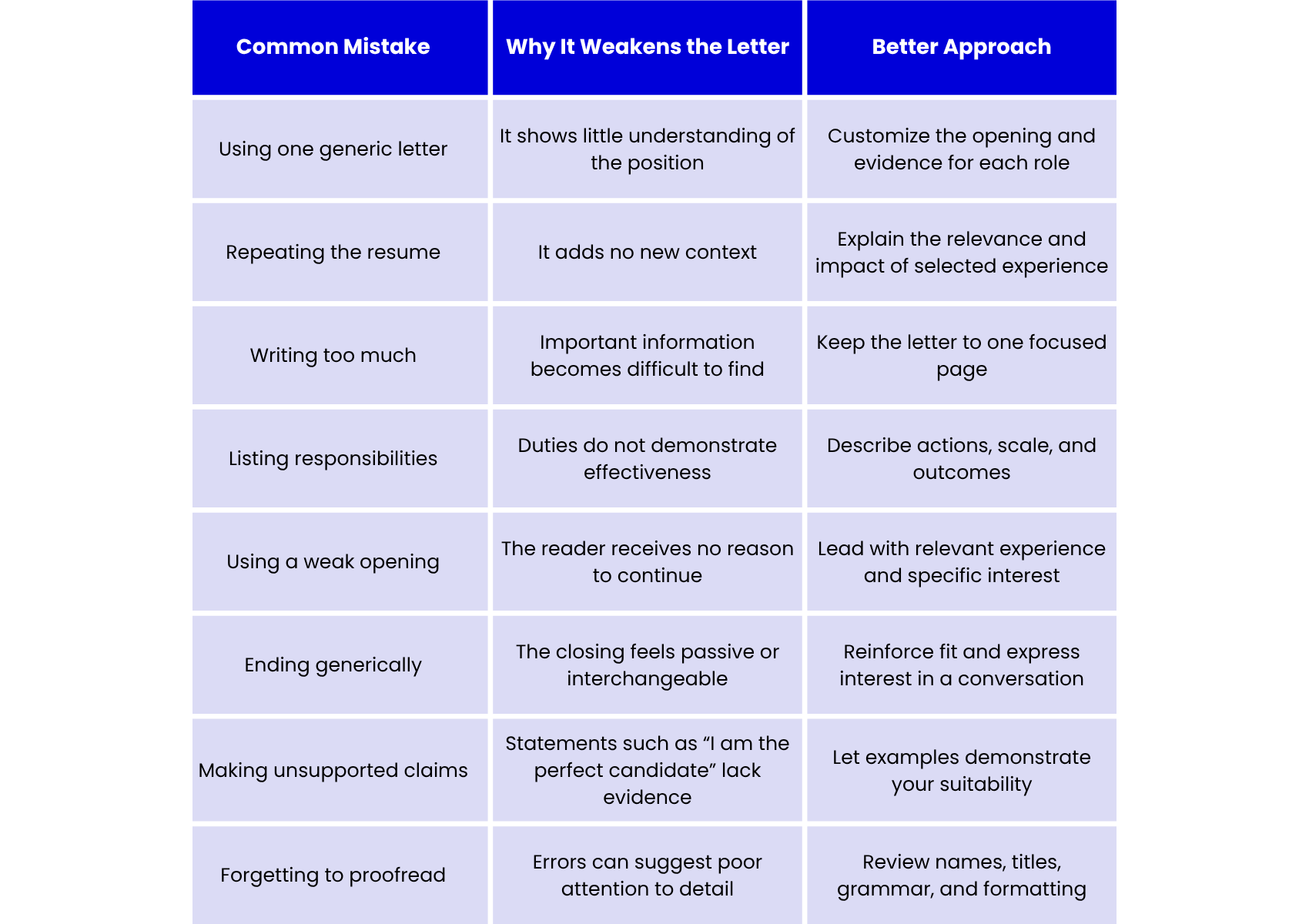
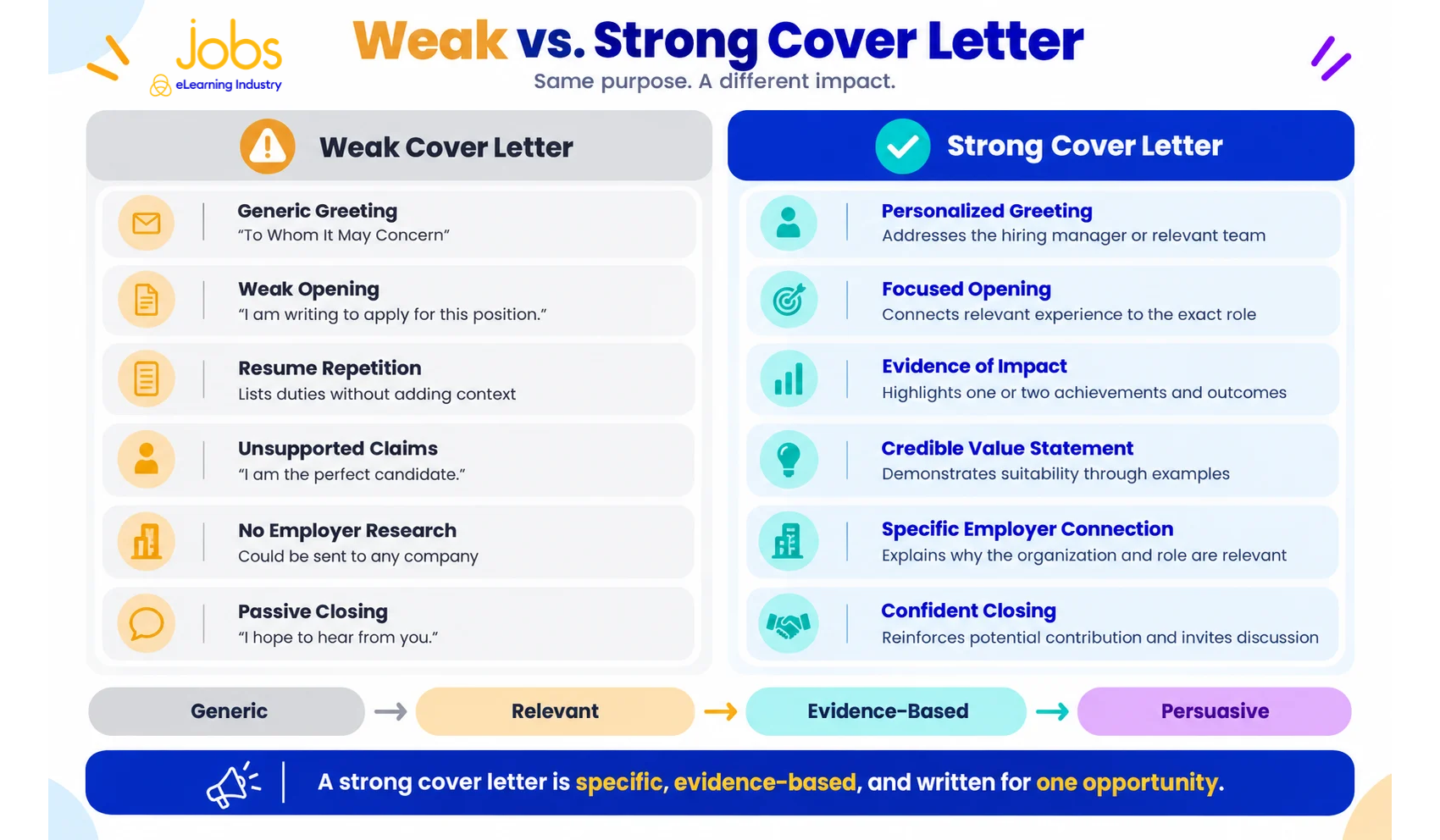
A good cover letter example shows a clear connection between the person, the work, and the employer. A weak one could be sent to almost any company without substantial changes.
Cover Letter Writing Tips That Help You Stand Out
A cover letter template is more persuasive when every sentence shares something meaningful about your motivation, experience, or what you can offer.
Try these tips to make your cover letter stand out:
1. Show genuine enthusiasm. Share what excites you about the job instead of just saying you are "passionate."
2. Whenever you can, use numbers to describe your achievements. This helps show the scale, efficiency, reach, growth, or improvements you made.
3. Keep your cover letter to one page. Usually, three to five short paragraphs are enough to make your case.
4. Use active words. Verbs like designed, led, improved, implemented, analyzed, and coordinated help show what you did.
5. Focus on results. Describe what changed because of your work.
6. Make sure your cover letter is easy to read. Pick a professional font, keep spacing and margins standard, and use clear paragraphs.
7. Finish your letter with confidence. Show interest in talking about the job, but don't assume you'll get an interview.
Before you send your application, check that your cover letter and resume have a similar tone and look. They should feel consistent, even if they have different goals.
If you need more help, take a look at our complete guide for Resume Tips.
Should You Use AI To Write A Cover Letter?
You can use a cover letter template along with AI tools to quickly create a first draft. However, always review the AI-generated content carefully before submitting it.
AI can help you:
- Organize your experience into a logical structure
- Compare your background with a job description
- Identify relevant keywords
- Rewrite unclear sentences
- Adjust the level of formality
- Generate alternative openings or closings
However, AI does not automatically know which accomplishments are accurate, which examples are most important, or why you truly want the job. It might also make vague statements, repeat itself, exaggerate, or include untrue claims. The best practice is to think of AI as a tool to help you draft your letter. So you should give it details about the job and your real experience, and make sure to check every sentence it creates. Take out any generic phrases that could apply to anyone, and ensure your final letter sounds like you, including examples you would feel comfortable talking about in an interview.
Be careful, though; do not share confidential company information, private client data, or sensitive personal details with an AI tool unless you know how your information will be used.
Cover Letter Checklist Before You Apply
Make sure your cover letter template passes a final quality check before you include it with your application.
Go through this checklist:
- The exact job title and company name are correct.
- The greeting is personalized when possible.
- The opening clearly shows why you are a good fit for the role.
- The letter shows you have researched the company.
- Relevant keywords from the job posting are included naturally.
- You mention one or two achievements to back up your claims.
- Numbers and results are accurate.
- The letter adds new context and does not just repeat your resume.
- The letter is no longer than one page.
- The tone sounds both professional and natural.
- Your portfolio or LinkedIn link works correctly.
- You have checked spelling, grammar, and formatting.
- All template instructions and brackets are removed.
- The file name is professional, for example: Jordan-Taylor-Cover-Letter.pdf.
Get Discovered By Employers
Set up your profile on Jobs by eLearning Industry, upload your resume, choose job alerts that fit your interests, and start applying with confidence.
Find Jobs Worth Writing A Great Cover Letter For
A cover letter template is most helpful when you use it to apply for jobs that match your skills, experience, and career goals. Rather than sending the same application to many different jobs, focus on positions where you meet the main requirements and can clearly show how your background fits what the employer is looking for.
Explore relevant opportunities such as:
- Instructional Designer Jobs
- Learning and Development Jobs
- Learning Experience Designer Jobs
- LMS Administrator Jobs
- Corporate Training Jobs
FΑQs About Cover Letter Templates
1. What is the best cover letter template for a job application?
A good cover letter template uses a simple, professional layout. Include your contact details, a personalized greeting, a strong opening, one or two key achievements, a brief closing, and a professional sign-off. Pick a clean format that is easy to read and update. Stay away from fancy designs that could distract from your message or make it hard for hiring systems to read.
2. How long should a cover letter be?
Your cover letter should usually fit on one page. Try to keep it between 250 and 400 words, split into three to five short paragraphs. Highlight the qualifications and achievements that matter most for the job. A short, focused letter works better than a long one that repeats your resume.
3. Do employers still read cover letters?
A cover letter template remains useful because some employers still review cover letters when evaluating motivation, communication skills, and overall fit. Always include one when the job posting requires it. An optional cover letter can also strengthen your application when changing careers, applying for a competitive role, explaining an unusual career path, or providing context that your resume cannot show.
4. Can I use the same cover letter for every job?
You can use a cover letter template as a starting point, but always customize it for each job. Change the job title, company name, opening paragraph, key skills, and achievements to match the position. Mention what the company is looking for and why you want to work there. If you send the same letter every time, it might look like you're not really interested.
5. How do I write a cover letter with no experience?
If you're new to the workforce, use your cover letter to highlight transferable skills, your education, projects, internships, volunteer work, and any achievements. Show how these experiences have prepared you for the main tasks of the job. Don't apologize for not having much experience. Instead, give examples that show you can learn, work well with others, solve problems, communicate clearly, and help the company reach its goals.