?
{{job.title}}
{{job.company_name}}
Private Employer
Curriculum Developer Jobs
A curriculum developer designs and updates educational content, training programs, and learning experiences for schools, businesses, universities, and online learning providers. Curriculum developer jobs combine Instructional Design principles, subject expertise, and an understanding of learners to help people remember and apply what they learn.
With more people turning to digital learning, curriculum developer jobs are now in high demand in education, corporate L&D, EdTech, and workforce development. If you are interested in this career or are searching for remote curriculum developer jobs, this guide covers the basics.
What Is A Curriculum Developer?
Curriculum developers build organized learning programs that help people gain knowledge, skills, and abilities through good educational design. Specifically, a curriculum developer designs, organizes, reviews, and updates educational programs. They make sure learning materials match educational standards, support organizational goals, and meet the needs of learners.
In schools, curriculum development often includes making lesson plans, assessments, learning goals, and digital learning experiences. In corporate settings, curriculum development specialists design employee training, onboarding programs, compliance courses, and professional development opportunities.
Never Miss New Curriculum Developer Jobs
Curriculum developer opportunities can fill quickly, especially remote and specialized positions. Create a job alert to receive the latest curriculum developer jobs directly in your inbox.
What Does A Curriculum Developer Do?
A curriculum developer job description typically includes:
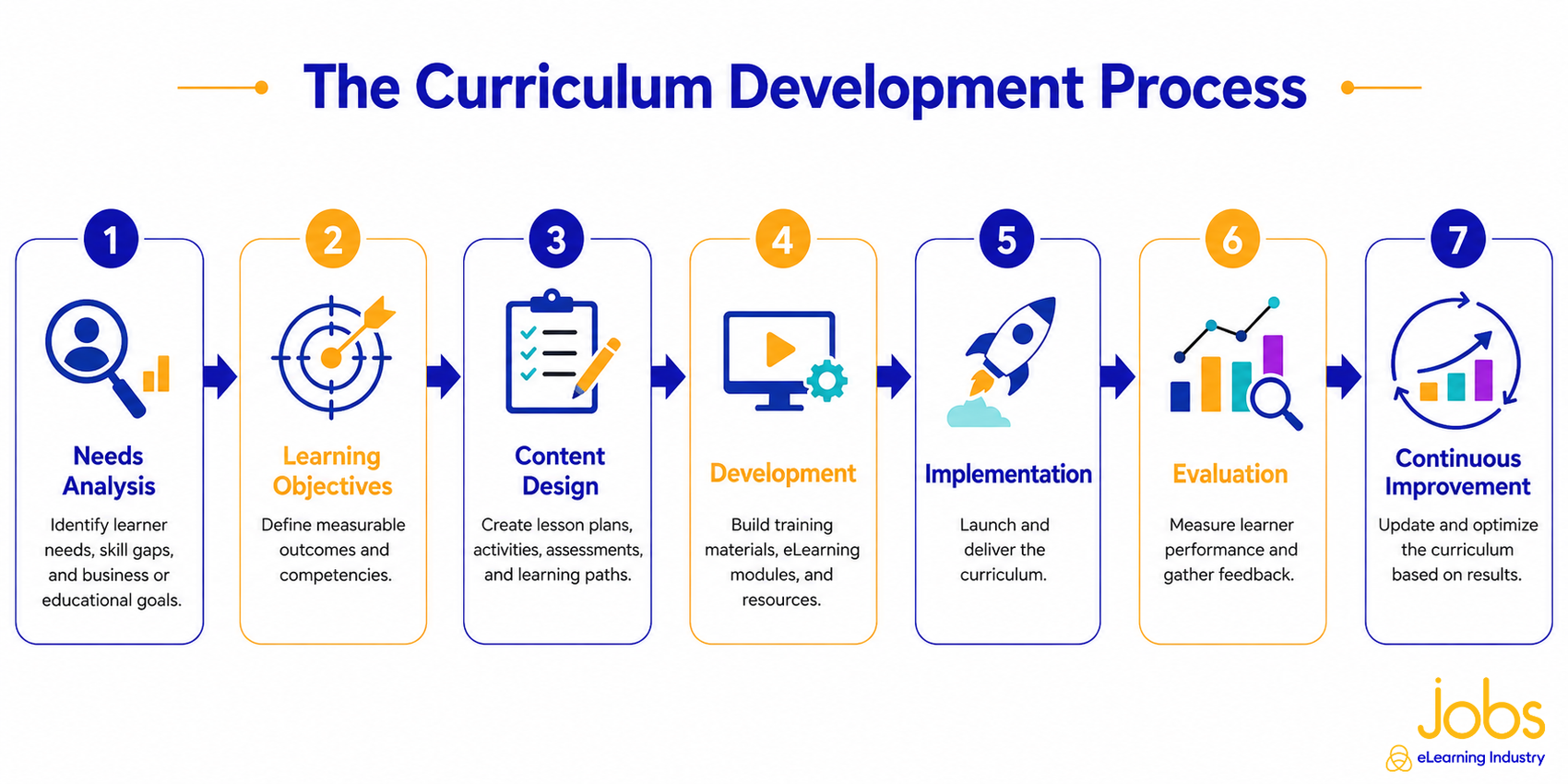
- Conducting learning needs assessments.
- Developing curriculum frameworks and learning objectives.
- Creating training materials and educational content.
- Collaborating with Subject Matter Experts (SMEs).
- Designing assessments and evaluation methods.
- Reviewing and updating existing learning programs.
- Ensuring compliance with educational standards.
- Supporting curriculum creation for digital and classroom environments.
- Analyzing learner feedback and performance data.
- Managing curriculum development projects.
Many organizations also bring in curriculum design consultants and technical curriculum developers to help with specialized learning projects.
Curriculum Developer Skills
Successful curriculum developers possess a blend of educational, analytical, and communication skills.
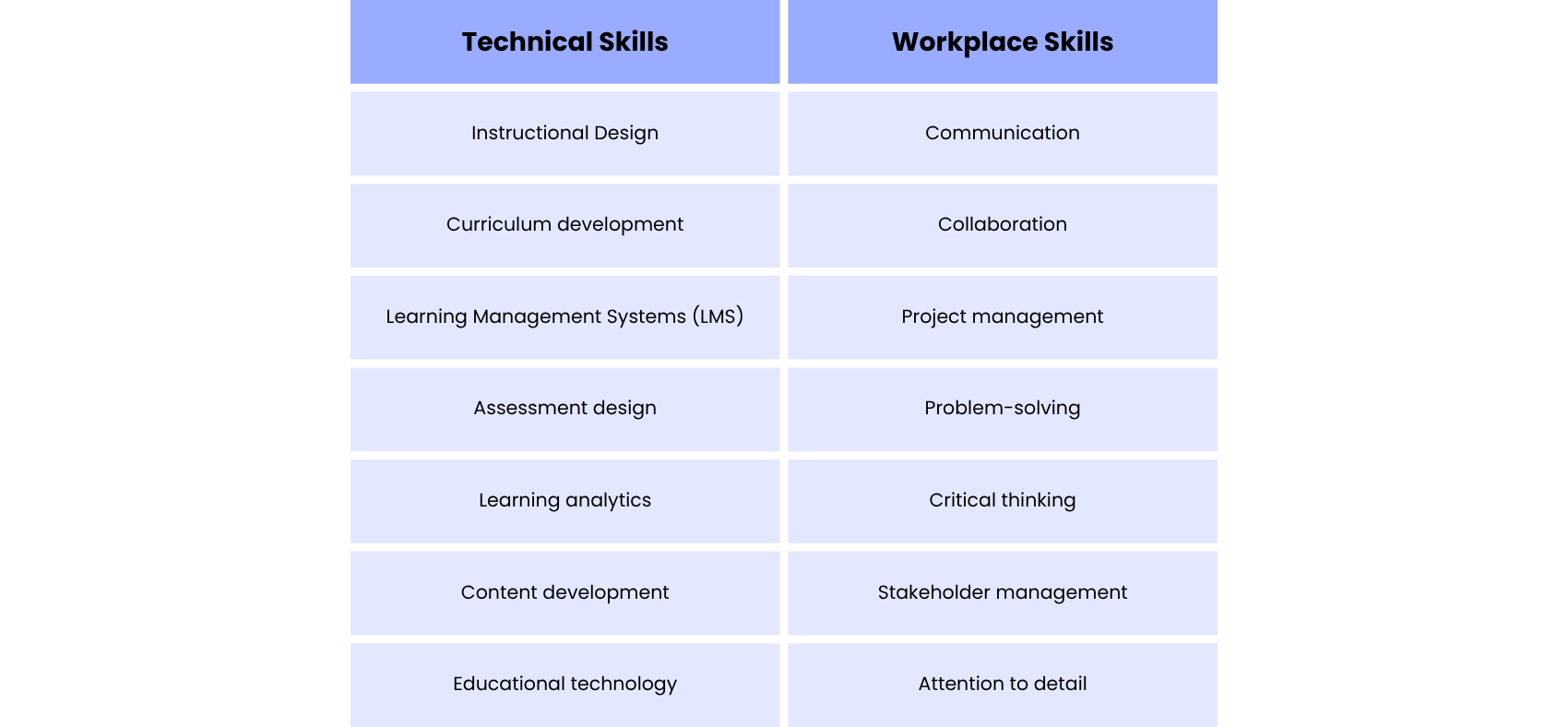
Additional skills often requested in curriculum developer jobs include:
- Adult learning theory
- eLearning development
- Storyboarding
- Educational curriculum development
- Content strategy
- Data-driven decision making
Curriculum Developer Salary
One of the most common questions job seekers ask is: How much do curriculum developers make?
Salary varies based on experience, industry, location, and specialization.
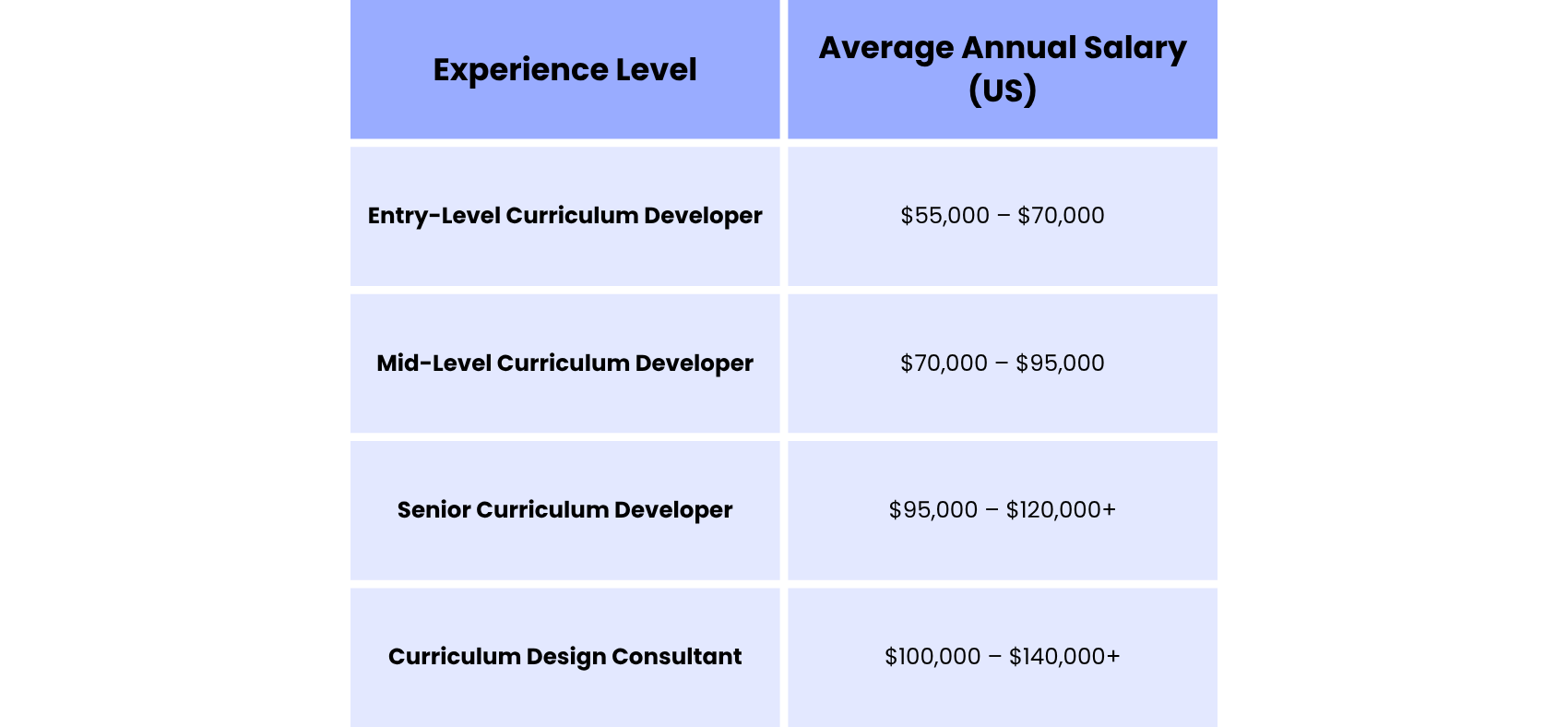
Professionals working in corporate L&D, healthcare, technology, and EdTech often earn higher salaries than those in traditional education settings.
Factors affecting curriculum developer salary include:
- Education level
- Industry specialization
- Technical expertise
- Leadership responsibilities
- Remote versus on-site positions
- Geographic location
How To Become A Curriculum Developer
If you're wondering how to become a curriculum developer, follow these common career steps:
1. Earn A Relevant Degree
Many curriculum developers hold degrees in:
- Education
- Instructional Design
- Learning Experience Design (LXD)
- Educational Technology
- Curriculum and Instruction
- Psychology
- Human Resources Development
A curriculum development degree can provide foundational knowledge in learning science and instructional methodologies.
2. Gain Teaching Or Training Experience
Many employers value experience in:
- Classroom teaching
- Corporate training
- Learning and Development
- Instructional Design
- Educational content creation
3. Learn Curriculum Development Principles
Focus on:
- Learning objectives
- Assessment design
- Adult learning theory
- Educational standards
- Curriculum mapping
- Developing curriculum for diverse audiences
4. Obtain Certifications
Popular curriculum development certification options include:
- Instructional Design certificates
- Learning and Development certifications
- Educational technology credentials
- Curriculum developer certification programs
Professional certifications can strengthen your resume and demonstrate expertise.
5. Build A Portfolio
- Curriculum work
- Lesson plans
- Training programs
- eLearning modules
- Assessment strategies
- Curriculum creation projects
Ready to Start Your Curriculum Development Career?
Whether you're transitioning from teaching, moving into Learning and Development, or looking for your next opportunity, having a strong resume can help you stand out to employers. Upload your resume to our platform to get discovered by hiring managers, apply faster to curriculum developer jobs, and receive personalized job recommendations based on your skills and experience.
Career Paths In Curriculum Development
There are many career options in curriculum development, including roles in education, corporate training, EdTech, and workforce learning. Although all these jobs aim to create effective learning experiences, their duties can vary widely.
- Curriculum Developers usually design and organize learning programs.
- Curriculum Development Specialists manage their implementation and ongoing improvement.
- Curriculum Designers and Instructional Designers work on making lessons engaging and choosing the best teaching methods.
- Curriculum Writers focus on creating educational content and materials.
- More advanced positions, such as Learning Experience Designer and Curriculum Design Consultant, focus on learner-centered design and overall learning strategies for organizations.
- If you are interested in technology-driven education, you might consider becoming a Digital Curriculum Developer or Technical Curriculum Developer, where you would create online courses and specialized training for technical fields.
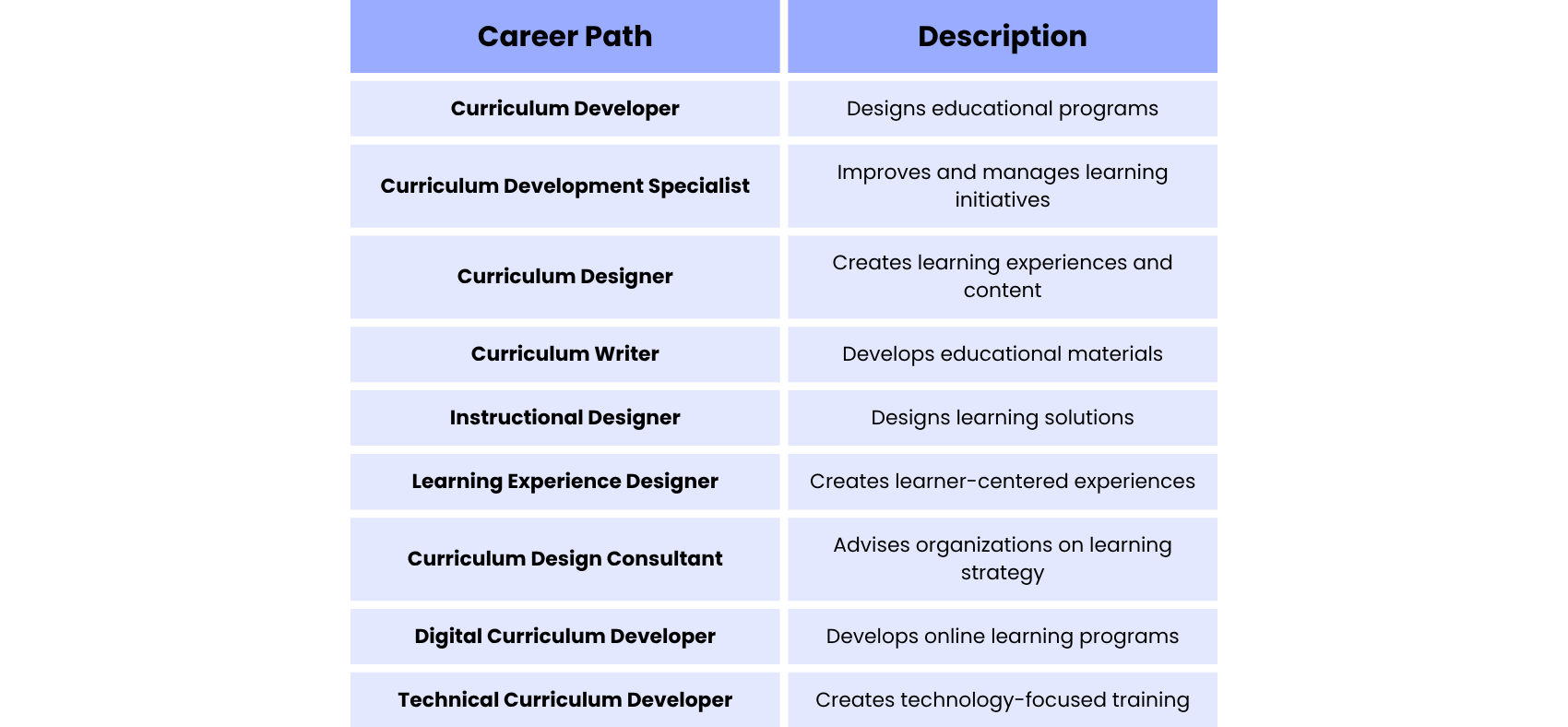
These careers exist across education, government, healthcare, technology, and corporate sectors.
Explore More eLearning Career Resources
Interested in building a long-term career in curriculum development and Learning & Development? Explore these expert guides to understand salary expectations, in-demand skills, essential tools, and career paths within the eLearning industry.
- Entry-Level eLearning Jobs: What To Apply For With No Experience
- How To Transition Into An eLearning Career (From Any Background)
- Top eLearning Tools To Learn If You Want To Get Hired In 2026
- Top Skills Employers Look For In eLearning Professionals (2026 Guide)
Curriculum Developer Jobs And Remote Opportunities
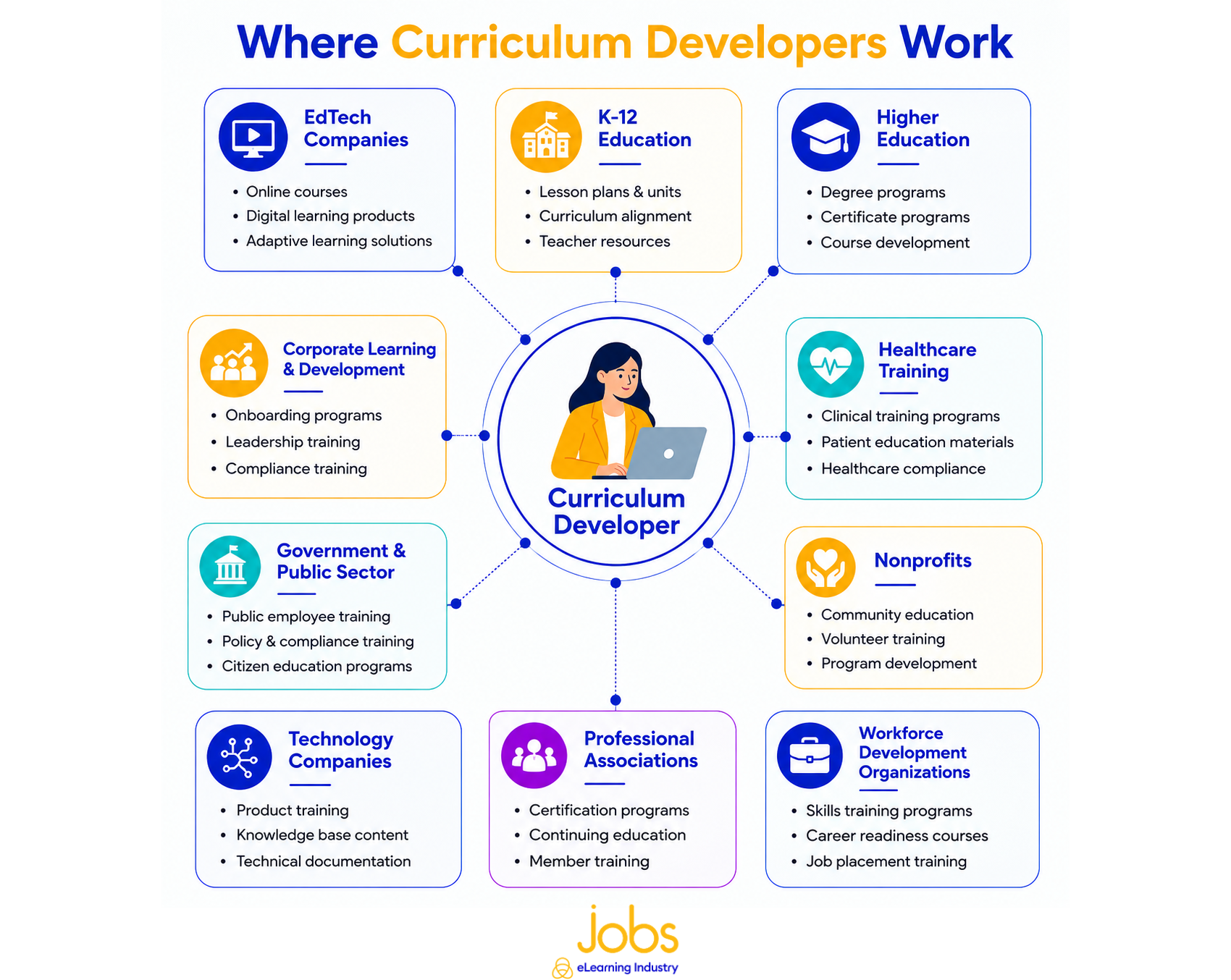
The growth of online learning has expanded access to curriculum developer jobs and remote opportunities.
Common employers include:
- EdTech companies
- Universities
- K-12 school districts
- Corporate L&D departments
- Healthcare organizations
- Government agencies
- Nonprofit organizations
- Training providers
Job seekers frequently search for:
- Curriculum developer jobs
- Curriculum developer jobs remote
- Curriculum developer jobs in the last month
- English curriculum development jobs
- Digital curriculum developer positions
Remote work opportunities are particularly common in corporate learning and online education environments.
Ready To Apply For Curriculum Developer Jobs?
Before you start applying, make sure your application stands out. Learn how to create a stronger CV, write a compelling cover letter, prepare for common interview questions, and discover the best job search platforms to find relevant opportunities faster.
- How To Write An eLearning CV That Gets Interviews
- Cover Letter Sample: Templates & Examples For Every Job
- Top Job Interview Questions And How To Answer Them
- Reasons For Leaving The Company: Best Answers For Interviews
- Best Job Search Engines in 2026
Why Curriculum Development Is A Growing Career
Educational transformation, digital learning adoption, and workforce upskilling continue to increase demand for curriculum developers.
Organizations need professionals who can:
- Develop a curriculum aligned with business goals.
- Create engaging learning experiences.
- Improve learner outcomes.
- Support digital transformation initiatives.
- Design scalable training programs.
As a result, careers in curriculum development remain attractive for educators, trainers, and Instructional Designers seeking long-term growth opportunities.
FAQs About Curriculum Developer Jobs
1. What is a curriculum developer?
A curriculum developer is a professional who designs, organizes, evaluates, and updates educational programs, training materials, and learning experiences for schools, organizations, and online learning providers.
2. What does a curriculum developer do?
A curriculum developer creates learning objectives, develops educational content, designs assessments, collaborates with subject matter experts, and improves learning programs based on learner needs and performance data.
3. How to become a curriculum developer?
To become a curriculum developer, earn a relevant degree, gain teaching or training experience, learn curriculum development methodologies, obtain certifications, and build a portfolio demonstrating curriculum design skills.
4. How much does a curriculum developer make?
Curriculum developers typically earn between $55,000 and $120,000+ annually in the United States, depending on experience, industry, specialization, and location.
5. What qualifications do curriculum developers need?
Most curriculum developers have backgrounds in education, Instructional Design, educational technology, or Learning and Development. Employers often prefer candidates with training in curriculum development and practical experience.
6. Is curriculum development a good career?
Yes. Curriculum development offers strong job growth, competitive salaries, remote work opportunities, and career advancement into Instructional Design, learning strategy, consulting, and leadership roles.
Jobs {{total_jobs_count}}
{{pagination_label}}
No jobs were found.
Loading...
{{notification.msg}}