?
{{job.title}}
{{job.company_name}}
Private Employer
Talent Development Jobs
Talent development jobs are fast-growing within HR, Learning and Development (L&D), and organizational growth. Companies increasingly invest in employee talent development programs to improve performance, retain top talent, and build future leaders. As a result, talent development jobs are expanding across industries, offering opportunities for both entry-level professionals and experienced learning strategists.
Whether you're researching what talent development is, exploring career development jobs, or looking for remote talent development jobs, this guide covers everything you need to know about the field, required skills, salary expectations, and career opportunities.
What Is Talent Development?
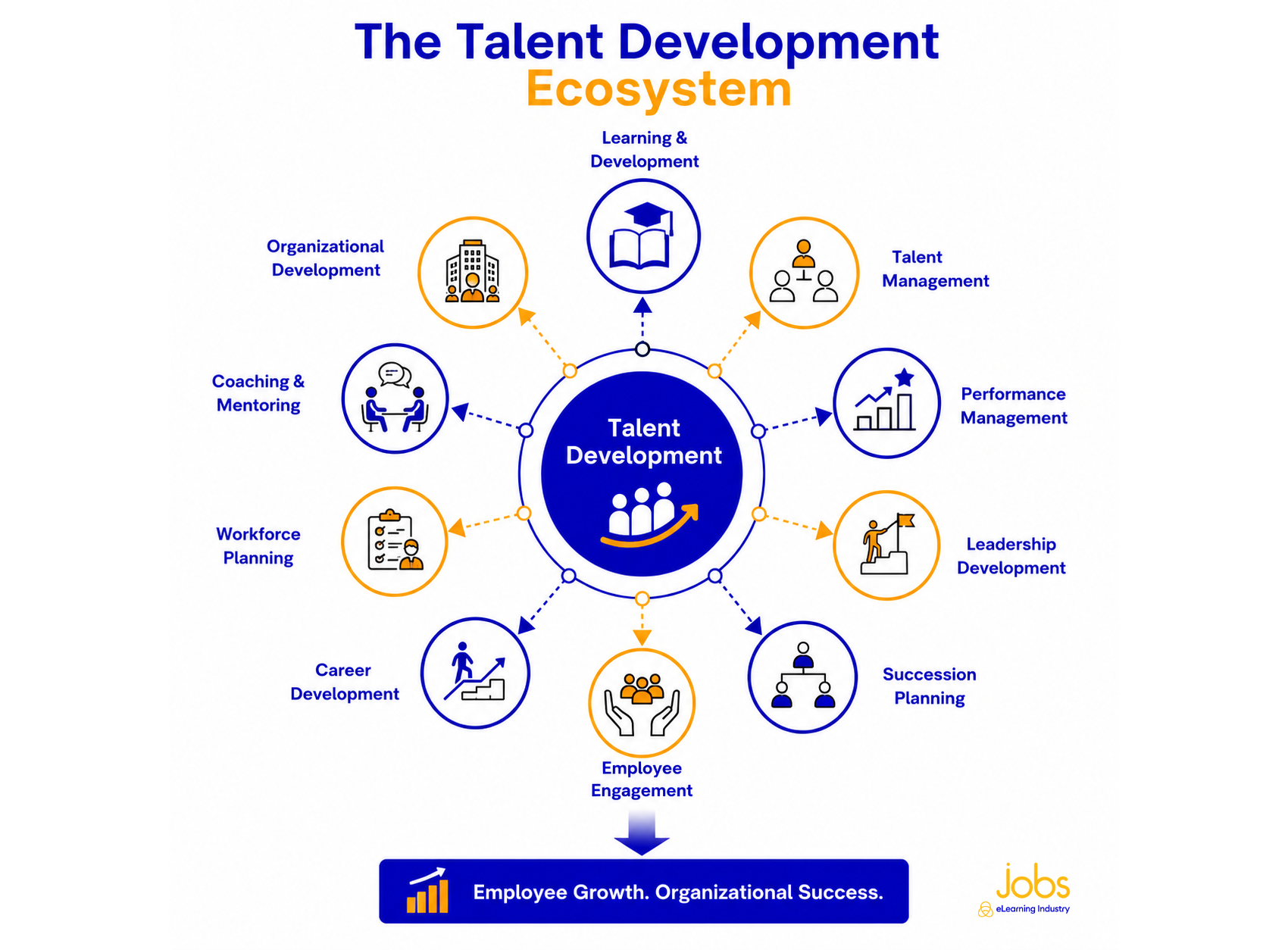
Talent development helps employees build their skills, knowledge, performance, and career potential. It brings together L&D programs, leadership training, coaching, succession planning, and other growth opportunities.
In HR, talent development ensures employees have the skills they need to help the organization succeed and grow in their own careers. Some common goals of talent development are:
- Improving employee performance.
- Building leadership pipelines.
- Closing skill gaps.
- Increasing employee engagement.
- Supporting career progression.
- Strengthening organizational capability.
Many organizations use a clear talent development strategy and plan to ensure workforce growth aligns with their business goals.
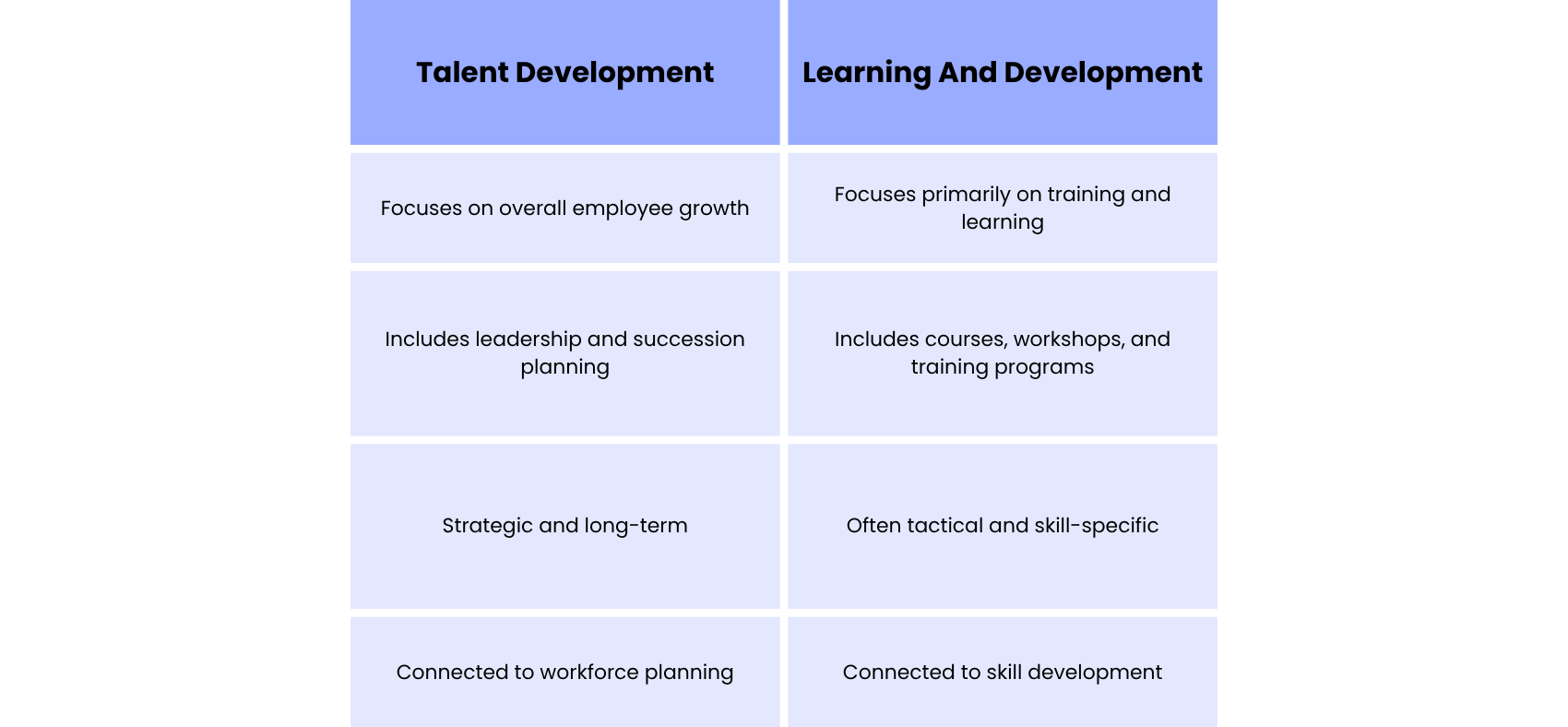
Talent Development Vs. Learning And Development
Let's see how talent development extends beyond traditional training by incorporating broader career and workforce planning initiatives.
Find Your Next Talent Development Job
Create personalized job alerts and get the latest talent development jobs delivered directly to your inbox. Be among the first to discover new openings that match your skills, experience, and career goals.
Talent Development Career Overview
Talent and development jobs exist across corporate HR teams, EdTech companies, consulting firms, healthcare organizations, government agencies, and enterprise businesses.
Examples of talent development jobs include:
- Talent Development Coordinator
- Learning and Development Specialist
- Instructional Designer
- Talent Development Manager
- Organizational Development Consultant
- Leadership Development Specialist
- Learning Experience Designer (LXD)
- Talent Management Specialist
- HR Talent Development Partner
- Chief Learning Officer
These roles often overlap with Learning and Development jobs near me, professional development jobs, and broader career development jobs.
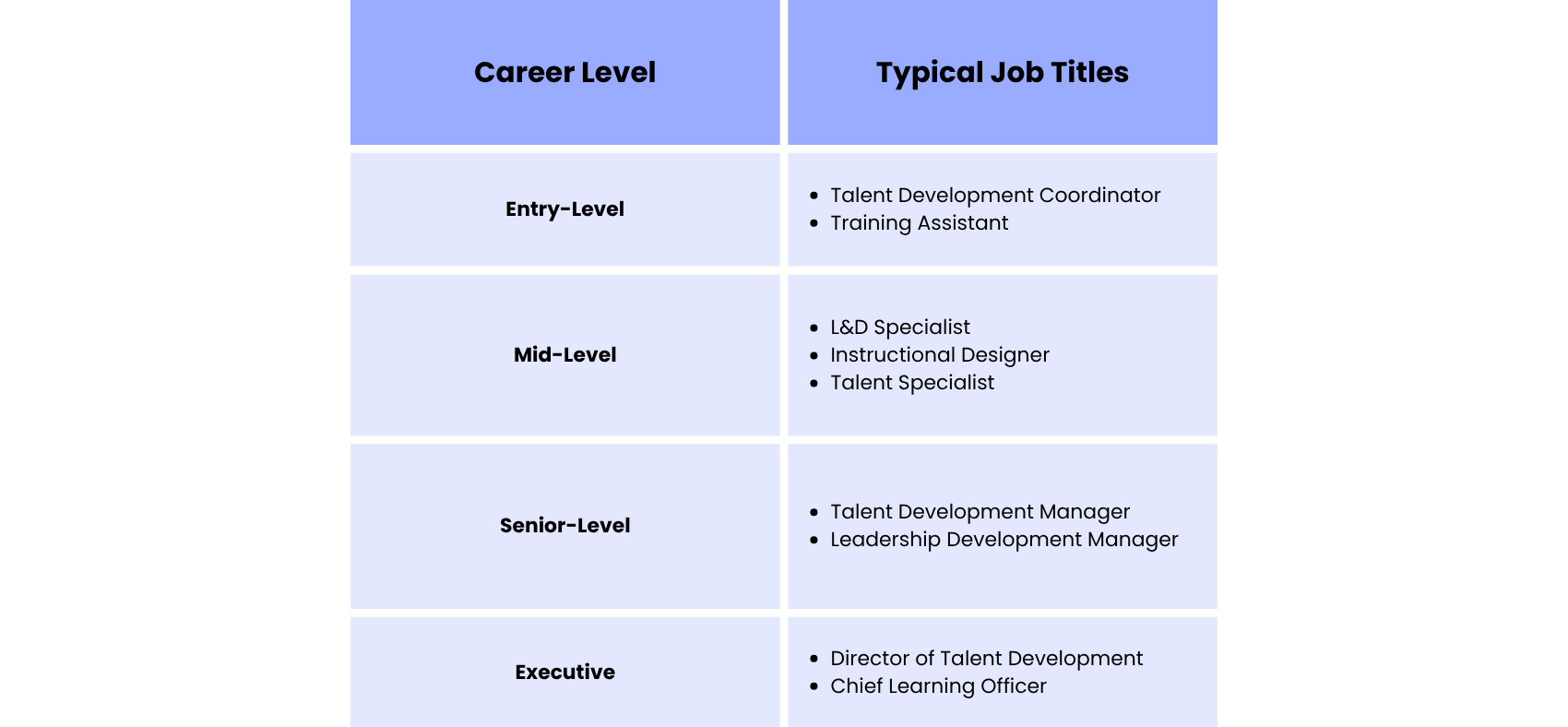
Talent Development Career Path
The following talent development career path explains how professionals can move from helping with training programs to leading company-wide talent and workforce development efforts.
Launch Your Career In Talent Development
Breaking into talent development, L&D, or eLearning doesn't have to be complicated. Explore our expert career guides to learn which skills employers value, how to transition into the industry, and how to create a CV that helps you stand out in a competitive job market.
- Entry-Level eLearning Jobs: What To Apply For With No Experience
- How To Transition Into An eLearning Career (From Any Background)
- Top eLearning Tools To Learn If You Want To Get Hired In 2026
- How to Get a Job in eLearning: A Step-by-Step Career Guide
Talent Development Salary Insights
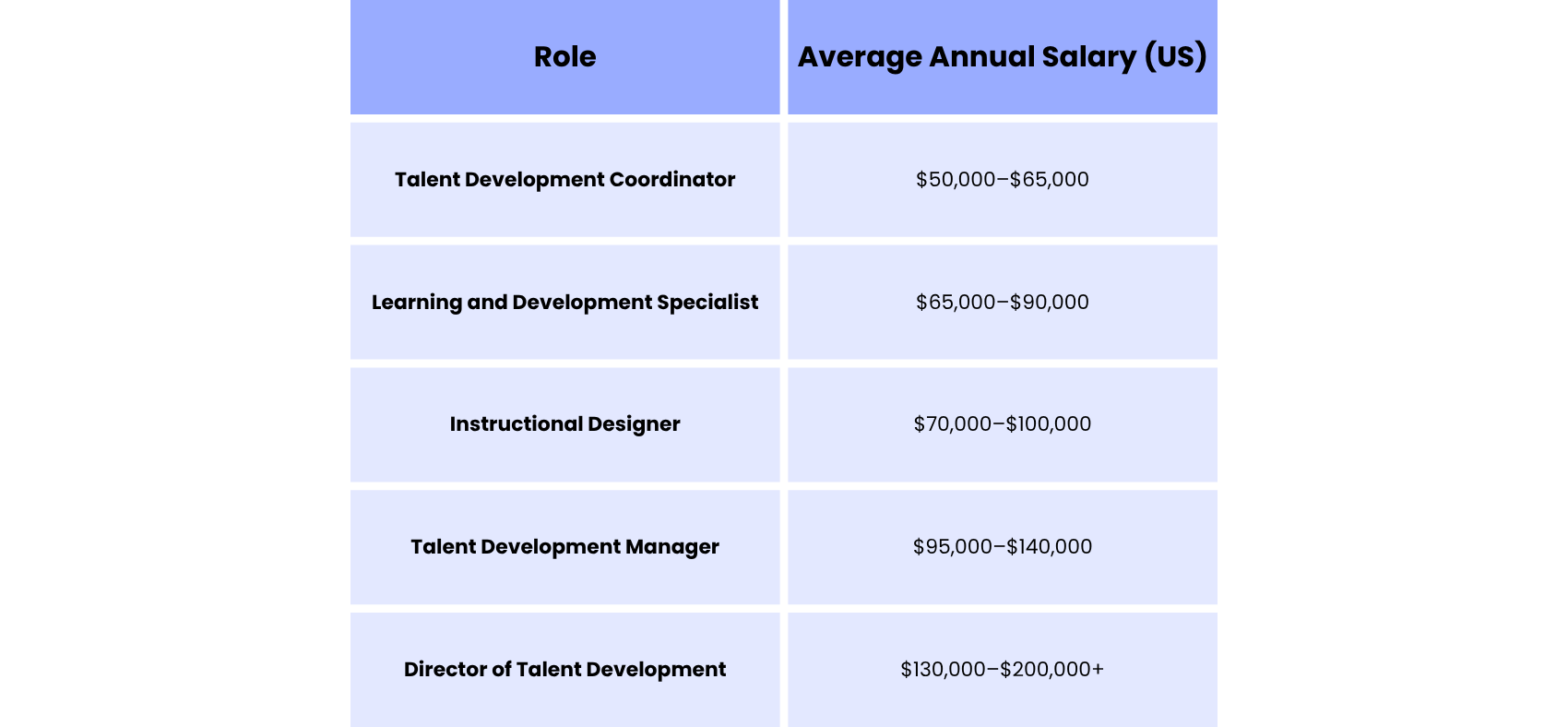
Salaries for talent development jobs depend on industry, location, experience, and the size of the organization. The ranges below show strong earning potential in this field, especially for those who combine HR knowledge, learning strategy, and leadership development skills.
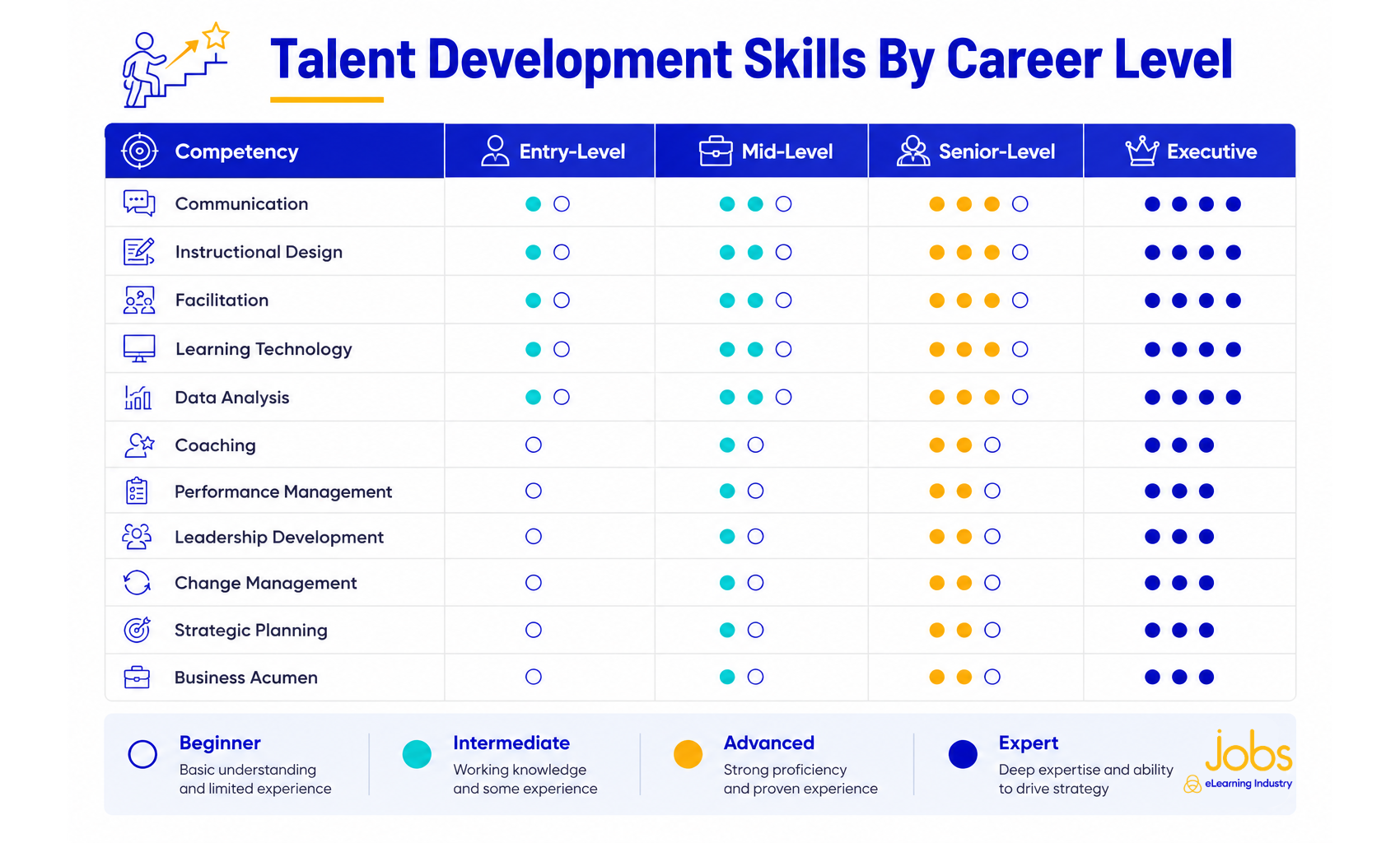
Key Skills Needed To Become A Talent Developer
Employers look for people who can create, run, and assess talent development systems.
Key skills for these roles include:
- Learning program design
- Instructional design
- Leadership development
- Coaching and mentoring
- Performance management
- Change management
- Data analysis and reporting
- Stakeholder communication
- Talent management
- Project management
Employers also value technical skills with LMS platforms, learning technologies, and talent development tools.
Talent Development Process
Most organizations follow a structured talent development process.
- Assess organizational needs.
- Identify skill gaps.
- Define talent development goals.
- Create learning pathways.
- Implement development programs.
- Measure outcomes.
- Optimize and improve programs.
A successful talent development strategy ensures employee growth aligns with long-term business objectives and workforce planning requirements.
Talent Development Examples
Companies use a variety of talent development approaches to help employees grow.
Some common examples are:
- Leadership development programs
- Mentorship programs
- Career pathing frameworks
- Skills academies
- Internal mobility initiatives
- Succession planning programs
- Executive coaching
- Certification programs
- Personalized learning journeys
- High-potential employee programs
These programs help organizations keep employees, boost engagement and productivity, and offer clear career paths.
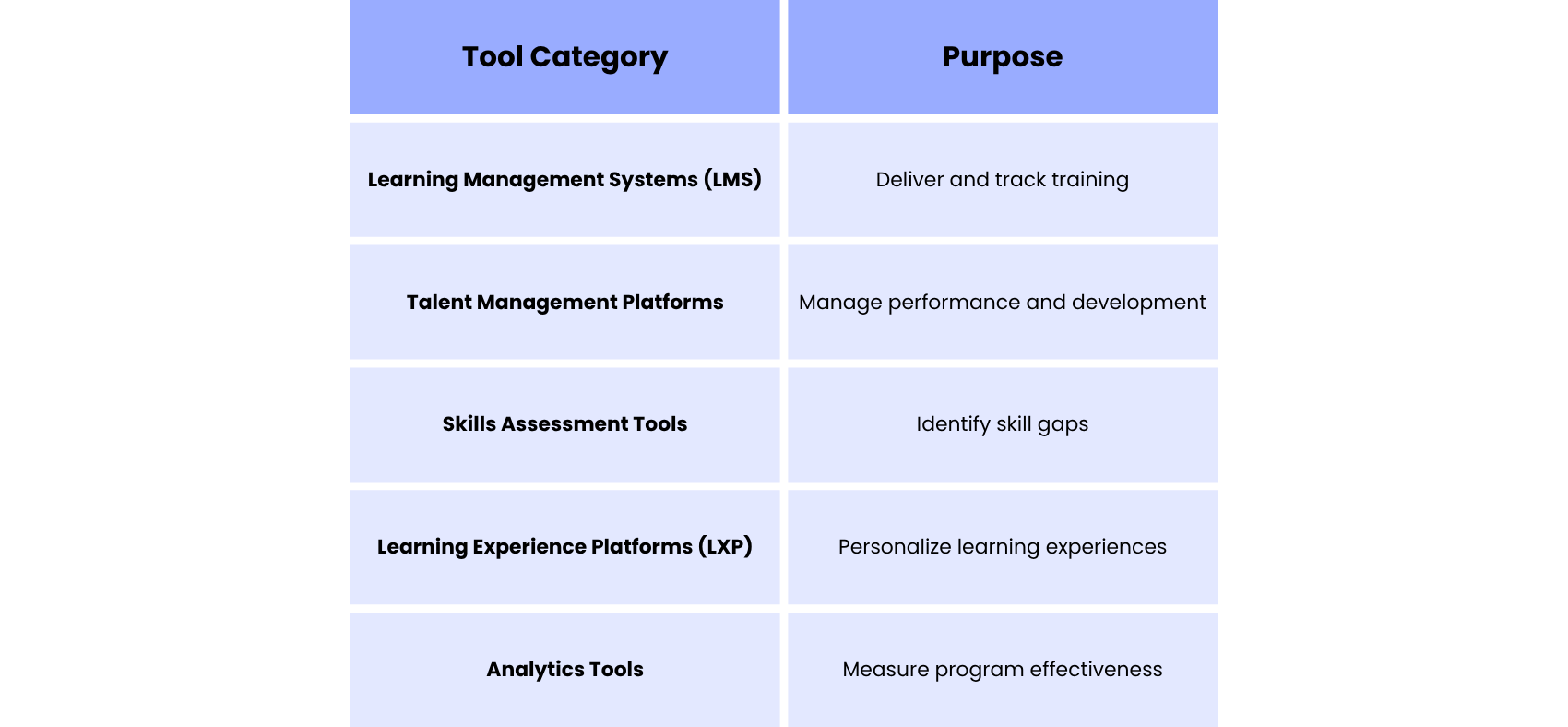
Talent Development Tools And Systems
Today, organizations use technology to help manage employee development. The table below shows how a complete talent development system brings together learning tools, performance resources, and analytics to help employees grow.
Prepare For Your Next Interview And Job Search
Ready to apply? Strengthen your job search strategy, prepare for common interview questions, and learn how to confidently discuss your experience with potential employers. These resources can help you move from application to offer more successfully.
- 10 Job-Hunting Tips And Strategies From Jobs by eLearning Industry
- Top Job Interview Questions And How To Answer Them (2026 Guide)
- Reasons For Leaving The Company: Best Answers For Interviews
- Icebreaker Questions For Work: 50+ Ideas For Interviews, Meetings, And Team Building
- How To Write An eLearning CV That Gets Interviews
Remote Talent Development Jobs
As more companies build distributed teams, there is a growing need for talent development jobs and remote work options.
Some of the most common remote talent development jobs are:
- Remote Learning Specialist
- Virtual Instructional Designer
- Remote Talent Development Manager
- Learning Consultant
- Leadership Development Coach
- Talent Management Specialist
Today, many employers hire people from around the world. This makes remote talent development jobs a great choice for professionals who want more flexibility and new career paths.
How To Become A Talent Development Manager
If you're wondering “What is a talent development manager?”, this role involves leading employee growth initiatives, learning programs, leadership development efforts, and workforce capability strategies.
Typical requirements include:
- Bachelor's degree in HR, Business, Education, or related field
- Experience in L&D or HR
- Project management skills
- Leadership development expertise
- Knowledge of talent development tools and systems
- Strong communication and stakeholder management skills
Most people start their careers in instructional design, HR, or Learning and Development before moving into management roles.
Ready To Advance Your Talent Development Career?
Looking for talent development jobs, remote talent development opportunities, or L&D positions? Upload your CV to showcase your skills and get noticed by employers hiring for talent and development roles.
FAQs About Talent Development Jobs
1. What is talent development in HR?
Talent development in HR refers to strategies and programs that help employees build skills, improve performance, and advance their careers while supporting organizational objectives.
2. What is a talent development manager?
A talent development manager designs and oversees employee development programs, leadership initiatives, succession planning efforts, and workforce capability strategies.
3. What are examples of talent development jobs?
Examples include Talent Development Coordinator, Learning and Development Specialist, Instructional Designer, Leadership Development Specialist, Talent Development Manager, and Director of Talent Development.
4. What is a talent development strategy?
A talent development strategy is a long-term plan that aligns employee growth initiatives with business goals, workforce needs, and organizational performance objectives.
5. Are there remote talent development jobs?
Yes. Many organizations hire remote learning specialists, instructional designers, talent development managers, and leadership development consultants.
Jobs {{total_jobs_count}}
{{pagination_label}}
No jobs were found.
Loading...
{{notification.msg}}